
Does Extreme Summer Heat Affect Radon Levels in Your Home? What Every Homeowner Should Know
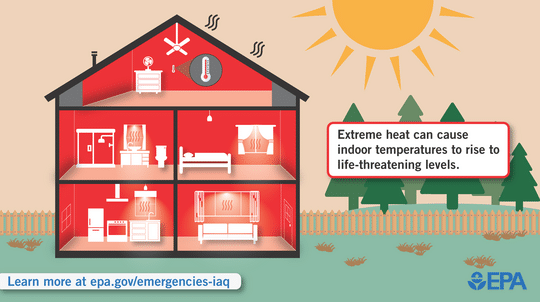
If you've ever wondered what is radon, whether hot weather impacts indoor radon levels, or if now is the right time for professional radon testing, you are not alone!
What Is Radon?
Radon is a naturally occurring radioactive gas produced by the breakdown of uranium in soil, rock, and water. It is colorless, odorless, and tasteless, making it impossible to detect without
a proper radon detector or professional testing equipment. The EPA identifies radon as the second leading cause of lung cancer in the United States and the leading cause among non-smokers.
Does Extreme Heat or Hot Temperature Affect Radon Levels?
The short answer is YES, but not always in the way most homeowners think. Many people associate higher radon levels with winter because homes are closed up tightly. However, extreme summer heat can also influence radon entry and accumulation.
During periods of intense heat:
• Air conditioning systems can create pressure differences inside the home.
• Soil conditions around the foundation may change.
• Windows and doors may remain closed for extended periods.
• Weather patterns and storms can impact indoor air pressure.
These factors can contribute to fluctuations in radon levels, especially in homes that have never undergone residential radon testing and mitigation.
The reality is that radon levels can vary throughout the year, which is why experts recommend testing regardless of the season.
What Does Radon Do to Your Health?
One of the most common questions homeowners ask is, "What does radon do?" Long-term exposure to elevated radon levels increases the risk of lung cancer. Unfortunately, there are no immediate warning signs. Many people search online for:
• Symptoms of radon
• Radon exposure symptoms
• Radon poisoning
• Radon gas symptoms or radon gas signs
The challenge is that radon exposure typically does not cause noticeable symptoms until significant damage has occurred over many years. It is not an instant effect or there is no visible sign you're getting radon poisoning.
Signs of Radon Inside a Home
Many homeowners wonder if there are visible signs of radon.
The truth is that there are very few reliable signs of radon inside a home. Since radon is invisible and odorless, testing remains the only accurate way to determine your exposure risk. Homes of any age, size, or foundation type can have elevated radon levels.
Should You Test Your Home This Summer?
Absolutely. Summer is an excellent time for professional radon testing because it provides valuable insight into your home's year-round radon behavior. A certified radon contractor can perform testing and help determine whether mitigation is necessary.
If you're searching for:
• Radon installers
• Radon contractor
• Radon mitigation contractor
• Radon contractors
Working with trained professionals ensures accurate testing and effective solutions.
How Does Radon Mitigation Work?
Many homeowners ask, "How does radon mitigation work?"
A radon remediation system or radon mitigation system works by safely collecting radon gas beneath the home and venting it above the roofline before it can enter living spaces.
A typical system includes:
• PVC vent piping
• A specialized mitigation fan
• Monitoring components
• Professional installation by certified radon installers
When properly installed, these systems can reduce radon levels by up to 99%.
Does Your Radon Fan Need Replacement?
If your home already has a mitigation system, summer is a great time to inspect it.
A failing fan can reduce system performance and allow radon levels to rise.
Signs you may need a radon fan replacement include:
• Warning alarms activating
• Increased radon test results
• Unusual fan noise
• Fan age exceeding manufacturer recommendations
Annual system inspections help ensure continued protection.
Radon Mitigation Cost: What Should Homeowners Expect?
One of the most common concerns is cost.
Searches for:
• Radon mitigation system cost
• Radon mitigation cost
• Cost of radon mitigation system
• How much is a radon mitigation system
continue to rise as more homeowners become aware of radon risks.
The actual cost depends on factors such as:
• Home size
• Foundation type
• Existing construction
• System design requirements
A professional evaluation is the best way to receive an accurate estimate.
Protect Your Family This Summer
Extreme heat may not be the first thing you think about when considering indoor air quality, but it serves as an important reminder to evaluate hidden risks inside your home.
The most effective steps you can take are:
1. Schedule professional radon testing.
2. Review the performance of any existing mitigation system.
3. Consider a radon detector for continuous monitoring.
4. Contact a qualified radon mitigation contractor if elevated levels are found.
When it comes to the health hazards of radon exposure, knowledge and action are your best defenses.
Get a Free Radon Evaluation for Your Home
If you're concerned about radon levels in your home this summer, the experts at National Radon Defense can help.
Request your free estimate today: https://www.nationalradondefense.com/free-estimate.html
Or learn more about radon testing, radon removal, radon reduction, and professional mitigation solutions at: https://www.nationalradondefense.com


