


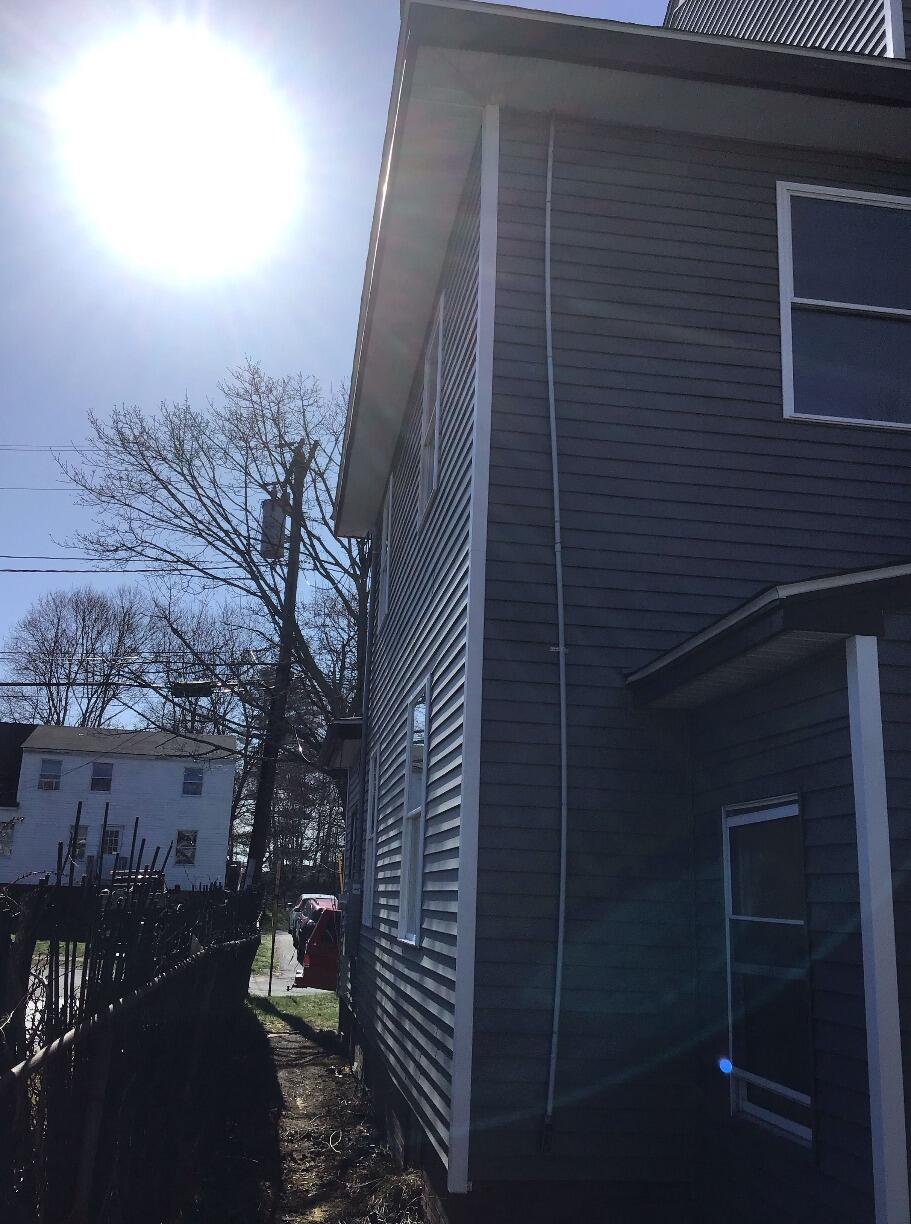
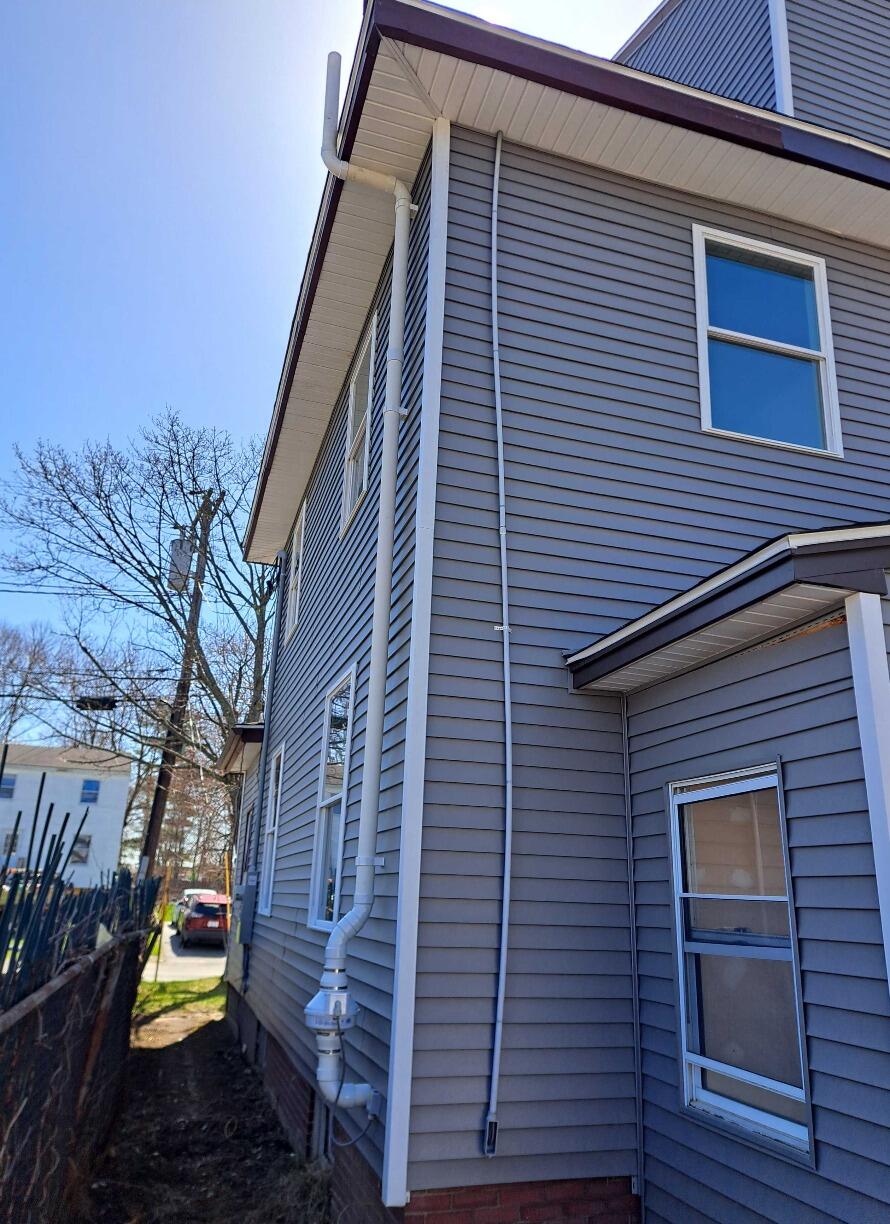


During a home inspection in Westbrook, ME, elevated radon levels of around 12 pCi/L were discovered, prompting the homeowner to seek a reliable solution to reduce radon exposure. They chose Maine Radon and Water Treatment for their proven expertise and commitment to long-term protection. Our team installed a sub-slab radon mitigation system using durable 3" PVC piping, core drilling through the slab, and adding a critter guard and sound-dampening clips to ensure safe, efficient operation. With the included Gold Maintenance Plan and a 10-year system warranty, the homeowner can feel confident their radon levels will remain under control for years to come. If you’ve recently had high radon levels detected, contact Maine Radon and Water Treatment to schedule your own mitigation and safeguard your home.
Before & After Photos
Click on a photo to enlarge.
Radon Mitigation in Westbrook, Maine
A Westbrook, Maine homeowner, concerned about potential radon exposure in their home, reached out to Maine Radon & Water Treatment. Their excellent service and expertise made them the trusted choice for addressing this potential health risk.
Our team conducted a thorough radon test, and the results confirmed the homeowner's concerns. The measured level of 19 pCi/L significantly exceeded safe limits, highlighting the need for immediate action.
Maine Radon & Water Treatment's experts swiftly assessed the situation, clearly explaining the best course of action to the client. With a comprehensive plan in place, we proceeded with the installation of a radon mitigation system.
The outcome was a resounding success! The client expressed immense satisfaction, knowing their home was now safe from the dangers of elevated radon. This peace of mind underscores the importance of radon testing and mitigation for a healthy living environment.
Radon Mitigation in Westbrook, ME 04092
In Westbrook, ME 04092, a homeowner decided it was time to address radon concerns after learning about the potential risks associated with long-term exposure. Looking for a trusted and efficient solution, they chose Maine Radon and Water Treatment for their reputation and responsive service. After collaborating on the ideal system layout—relocating it to the driveway side due to moisture in the original area—our team installed a sub-slab depressurization system using a 3" PVC pipe, a 25-foot extension, and an RN2 fan, along with a radon membrane and sump pit lid for added protection. Now with the system in place, they can enjoy peace of mind knowing their home is better protected. If you're thinking about reducing radon levels at your property, Maine Radon and Water Treatment is ready to help.
Radon Mitigation in Westbrook, ME 04092
From 3.8 to 1.0: Peace of Mind for a Westbrook Homeowner
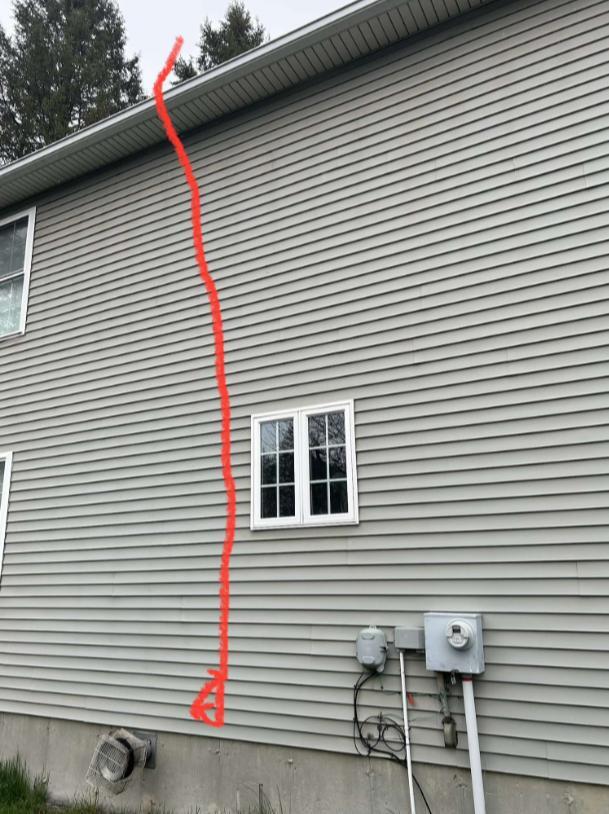
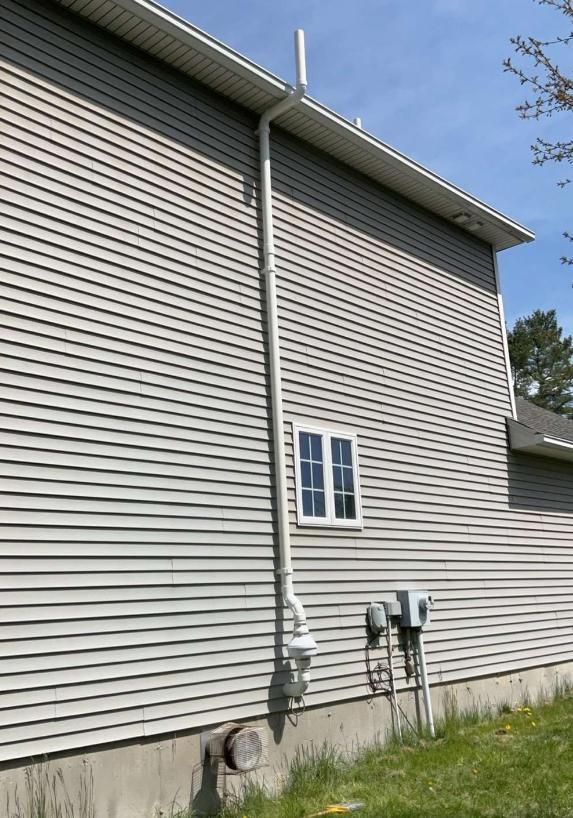
Chris R. in Westbrook, Maine first connected with Maine Radon & Water at a local Home Show, where he learned more about radon and how it can impact indoor air quality. Although his initial test result of 3.8 pCi/L was just below the EPA action level of 4.0, he wanted the confidence that comes with reducing radon exposure even further.
After reviewing the home's layout, we designed a mitigation system that included a 3" PVC riser, a 10-foot extension, and an economy sump pit lid to help seal potential radon entry points. With electrical conveniently located near the panel, the installation was completed efficiently and cleanly.
The results were excellent. Following installation, Chris's radon levels tested at 1.0 pCi/L, a substantial reduction from the original reading and well below the EPA action level.
This project is a great reminder that homeowners don't have to wait for extremely high radon readings to take action. By addressing the issue proactively, Chris significantly reduced radon levels and gained added peace of mind for the future.
Before: 3.8 pCi/L
After: 1.0 pCi/L
Another Maine homeowner breathing easier with a professionally installed radon mitigation system.
Airwell brand new in Minot, ME
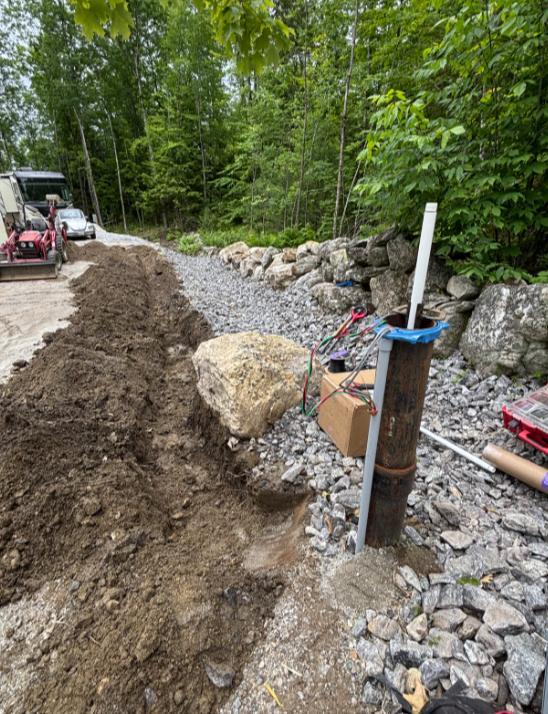
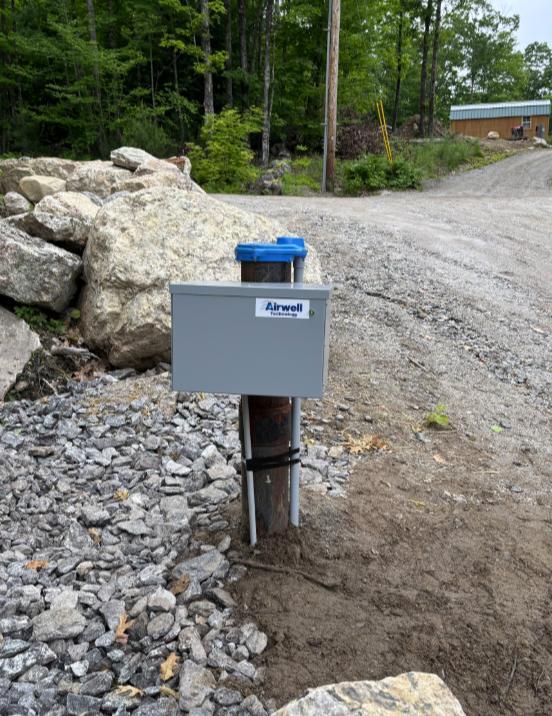
Installing the Airwell required some careful planning and hard work. The existing drilled well extended 200 feet below ground, with only about three feet of casing above grade to work with. We first had to prepare the well by cleaning and securing the casing so the Airwell components could be lowered safely into place. Precision was key to ensure the system seated properly all the way down to depth without damaging the well or equipment.
Once in position, we connected the Airwell to the system and adjusted it to create the right airflow for consistent radon mitigation. The installation took patience and coordination, given the depth of the well and the limited working space above ground, but everything came together smoothly. By the end, the Airwell was operating as designed, providing effective mitigation and tying seamlessly into the rest of the filtration system.


