
Before & After Photos
Click on a photo to enlarge.
Radon Level of 4.2 Identified in Prospect Home Exterior
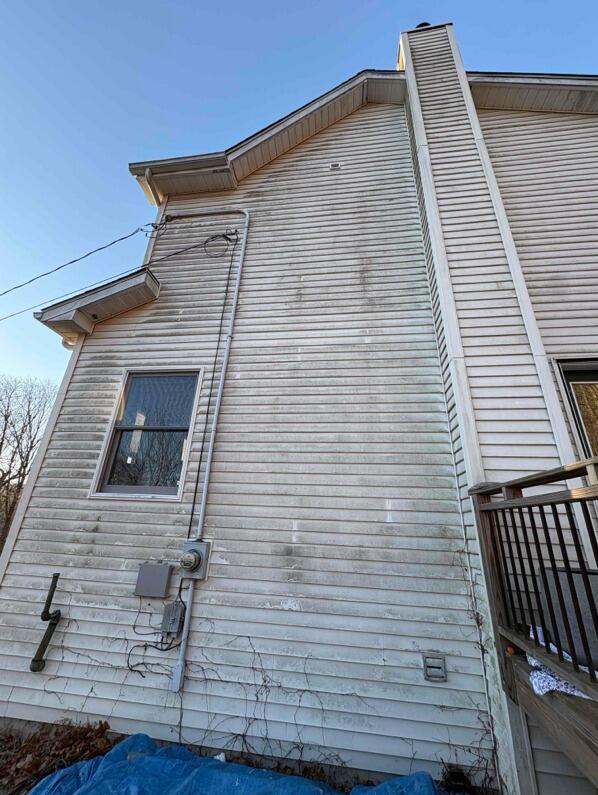
Before
The exterior of the home had no radon mitigation system in place, with no visible piping along the siding.
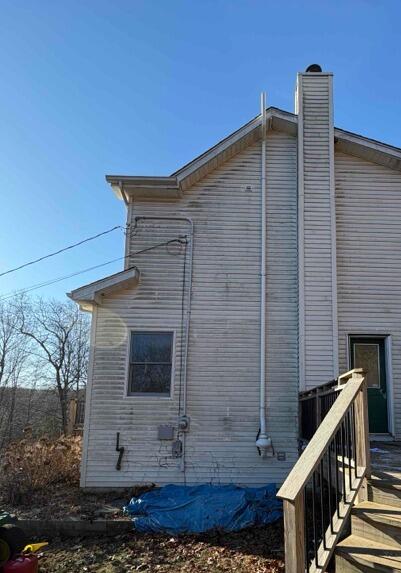
After
A radon mitigation pipe was installed along the exterior of the home and vented above the roofline to allow proper airflow.
Radon Level of 4.2 Identified in Prospect Home Interior
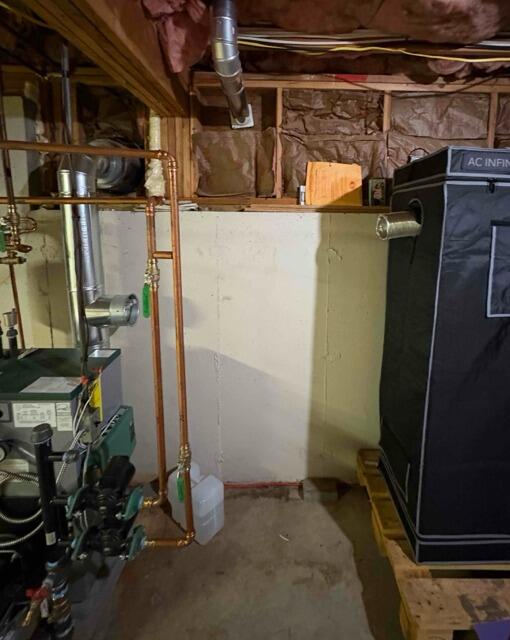
Before
The basement area had no radon mitigation system in place, with existing mechanical equipment and no piping installed.
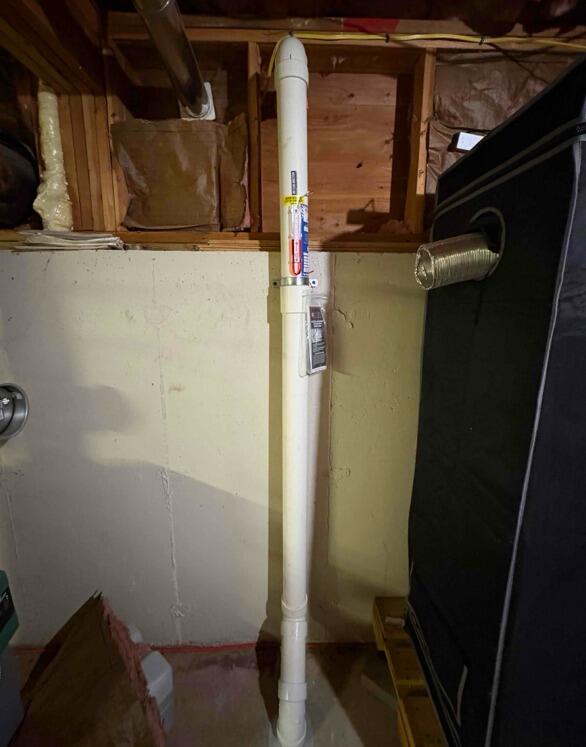
After
A radon mitigation pipe was installed in the basement, routed through the space to connect to the exterior system.
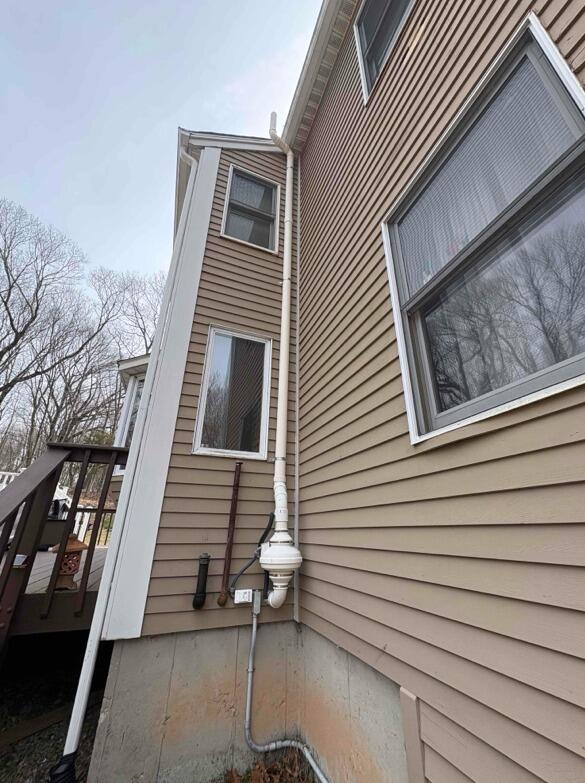
One-Pipe Radon Mitigation System Planned for Prospect Colonial Home
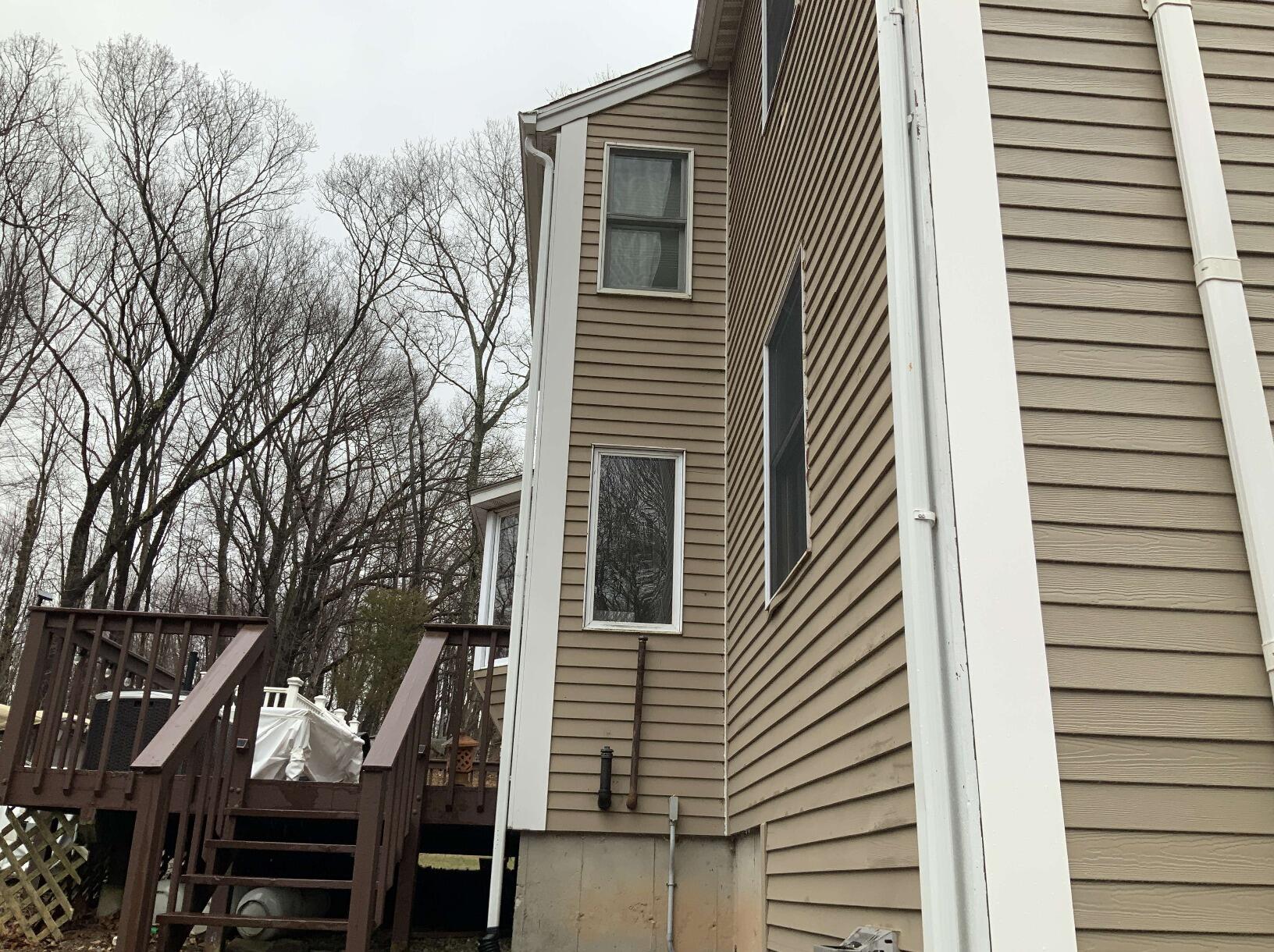
Before
The home tested at 5.6 pCi/L with no active radon mitigation system installed beneath the foundation.
After (Planned Work)
A one-pipe radon mitigation system is planned within the oil tank room to improve sub-slab airflow and reduce radon levels throughout the home.
Enhanced Radon Control in Burlington: Before and After Second Extraction Point Installation


Originally built with just one extraction point, this Burlington home needed an upgrade to better handle basement airflow and radon dispersion. After installing a second extraction point and optimizing interior pipe runs, radon levels are now better managed. Our before-and-after visuals capture this critical improvement, showing both added functionality and clean installation.
Bristol Home Prepped for a New Chapter-With Safe Air First
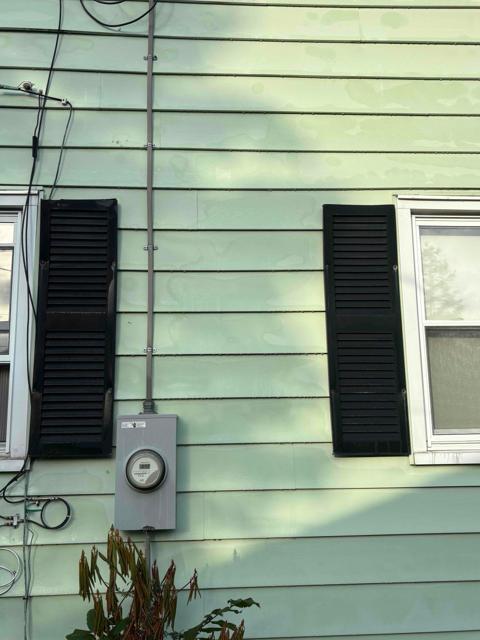
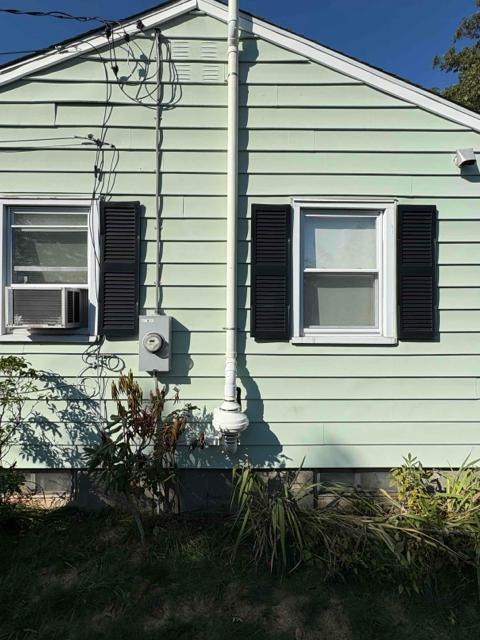
Prior to installation, the home was unoccupied and radon tested at 2.3 pCi/L—just slightly above the client’s personal target threshold of 2.0. The homeowner had recently purchased the property and made it clear that he would not move his pet in until the radon concern was addressed. There were no sump pumps, water guards, or crawl spaces, and the foundation was solid cement—making for a clean canvas for the system.
After installation, the radon mitigation system was professionally installed with a direct run that minimizes any airflow restriction. While not a high-level reading by EPA standards, the system was designed to achieve optimal sub-slab depressurization to bring the level well below 2.0. The "after" look showcases a polished setup, with no disruption to the structure and a clean, code-compliant exterior fan setup.


