
Before & After Photos
Click on a photo to enlarge.
Radon Fan Replaced in Darien Home


Before
The existing radon system had a RadonAway GP201 fan that required replacement due to performance issues.
After
A new radon fan was installed, restoring proper system operation and airflow.
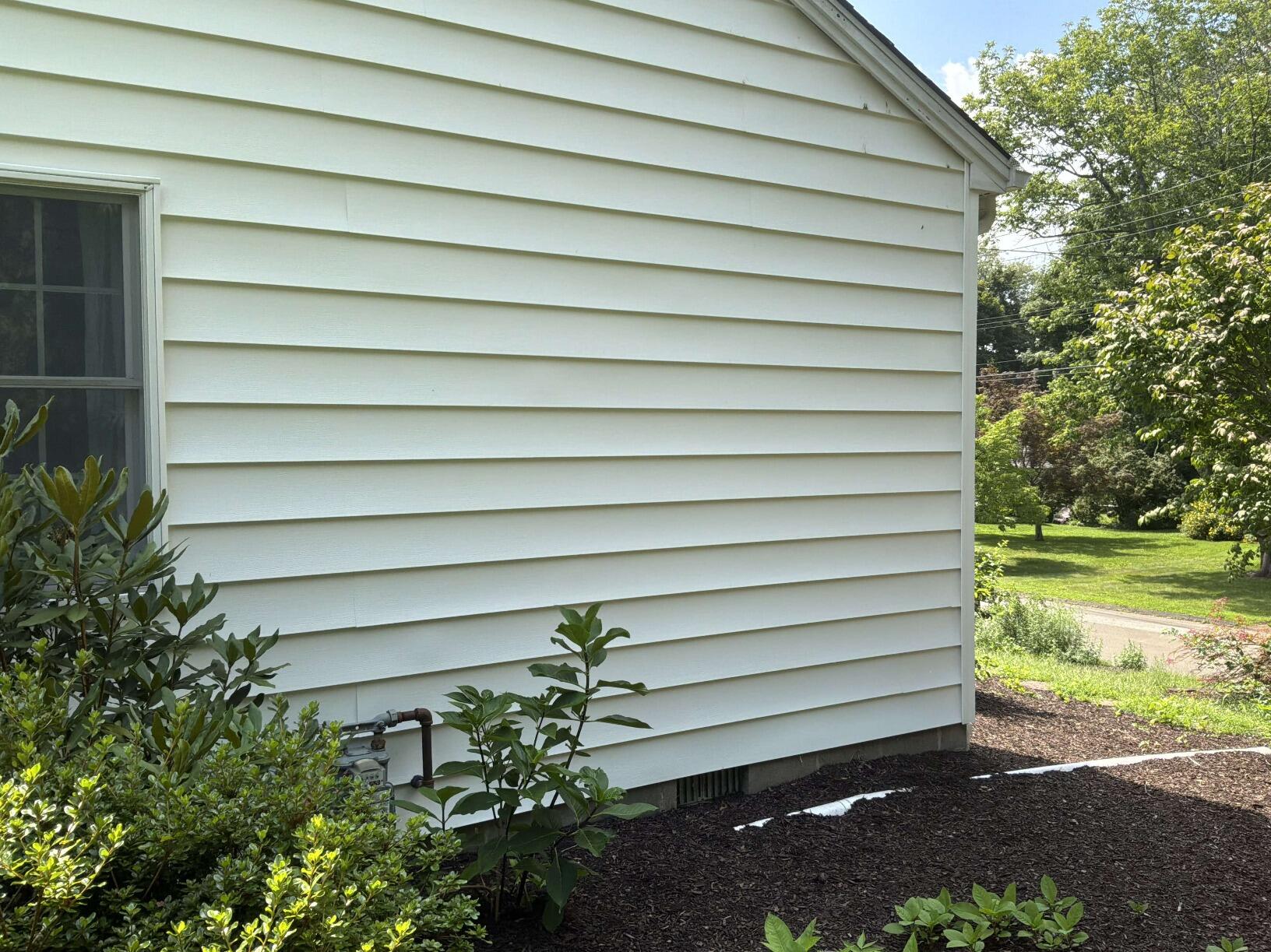
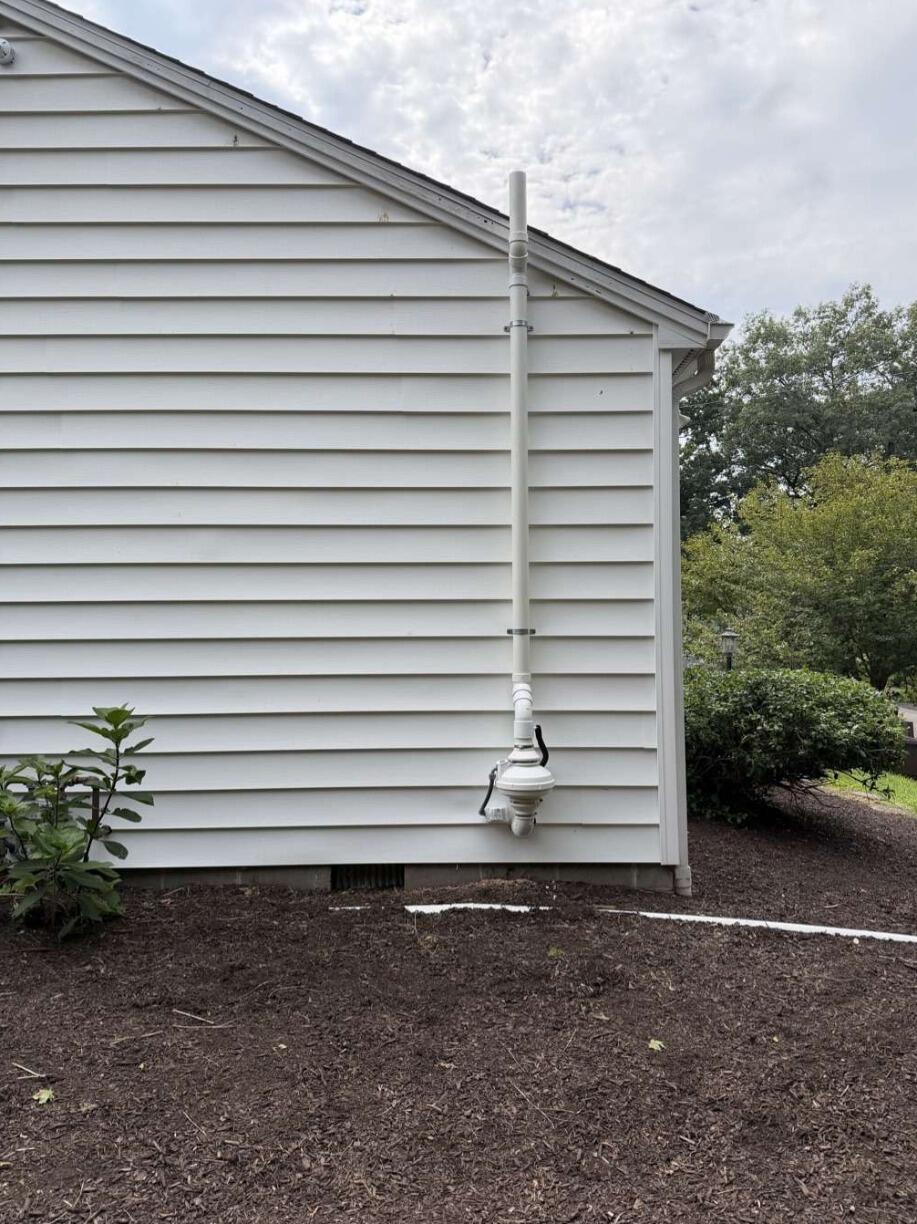
Three-Point Radon Mitigation System Installed in Taconic
Before
The home had two foundation areas, including a crawl space with a dirt and clay floor. With an initial radon level of 7.0 pCi/L, a mitigation system was needed to reduce radon entry from beneath the home.
After
A three-point radon mitigation system was installed to address the home's separate foundation areas. Extraction points were placed in the garage and crawl space areas, with the piping connected to a Festa Hawk fan and routed outside. The system is designed to draw radon from beneath the foundation and vent it outdoors. A follow-up radon test is recommended to confirm the system's performance.
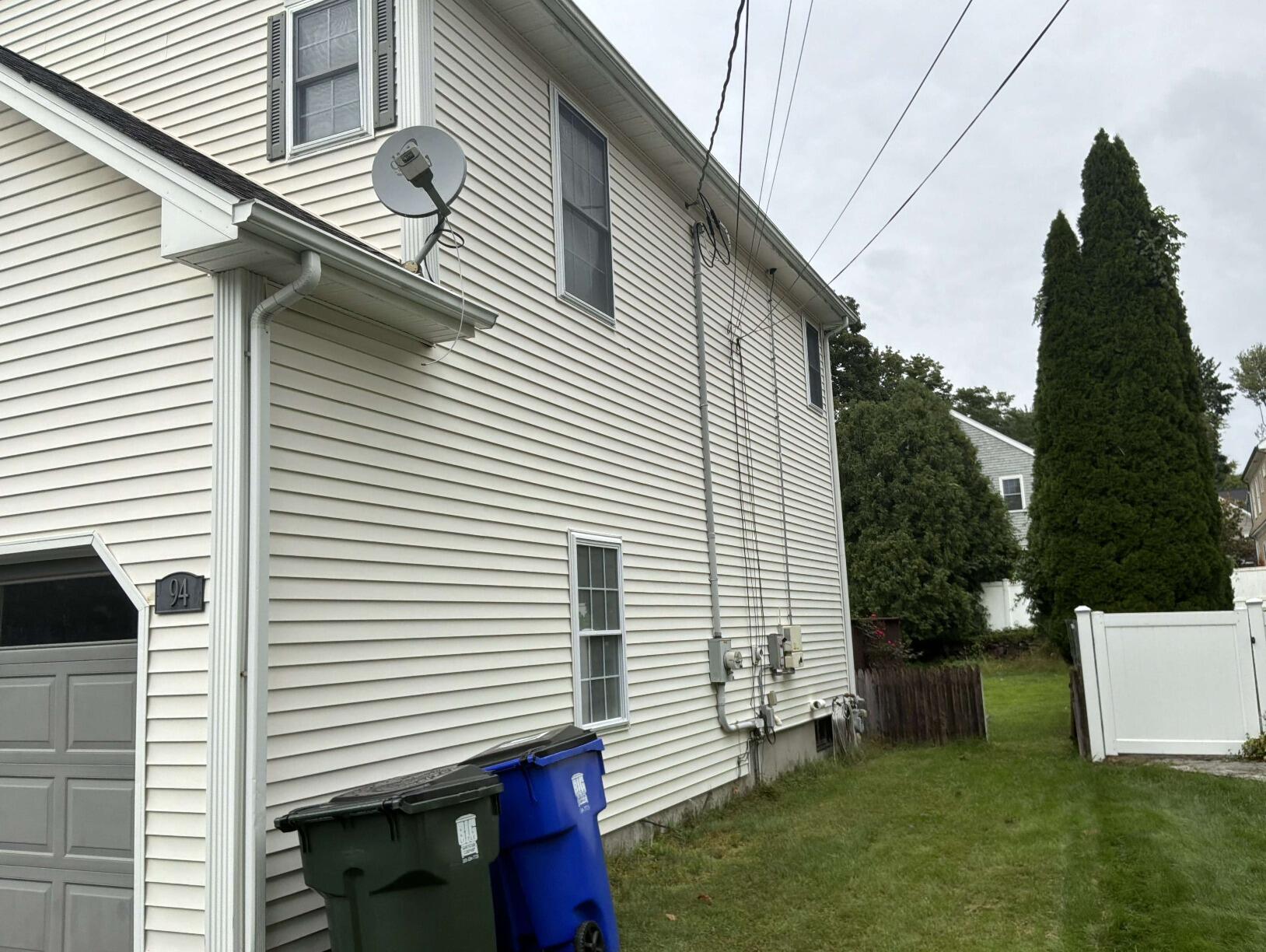
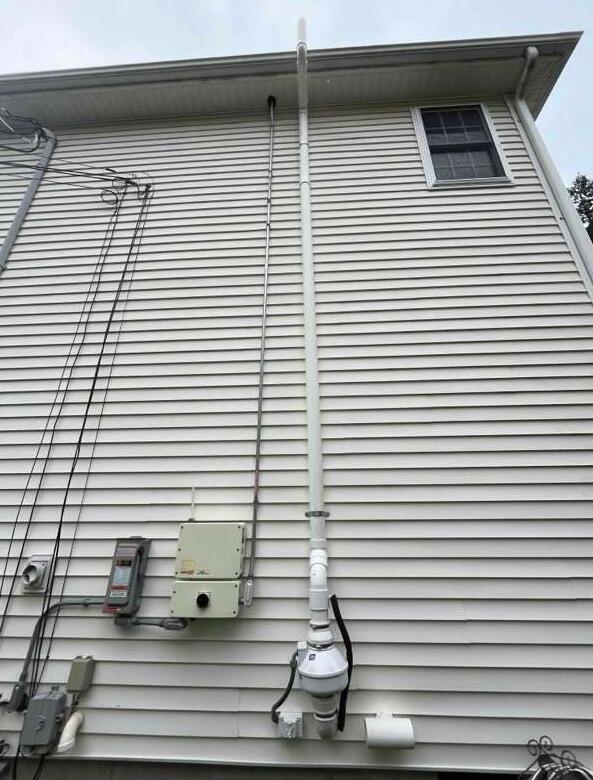
One-Point Radon Mitigation System Planned for Taconic Home
Before
The home has a partially finished basement with an unfinished section containing approximately 25 feet of foundation floor cracks. The radon test measured 4.9 pCi/L, making mitigation and crack sealing important steps toward improving indoor air quality.
After
Install a one-point radon mitigation system with an extraction point in the unfinished basement. Route the piping through the most practical side of the home and seal approximately 25 feet of identified cracks in the unfinished basement area. Once installation is complete, follow-up radon testing should be performed to confirm the system’s effectiveness.
Radon Fan Upgrade Planned for Salisbury Home
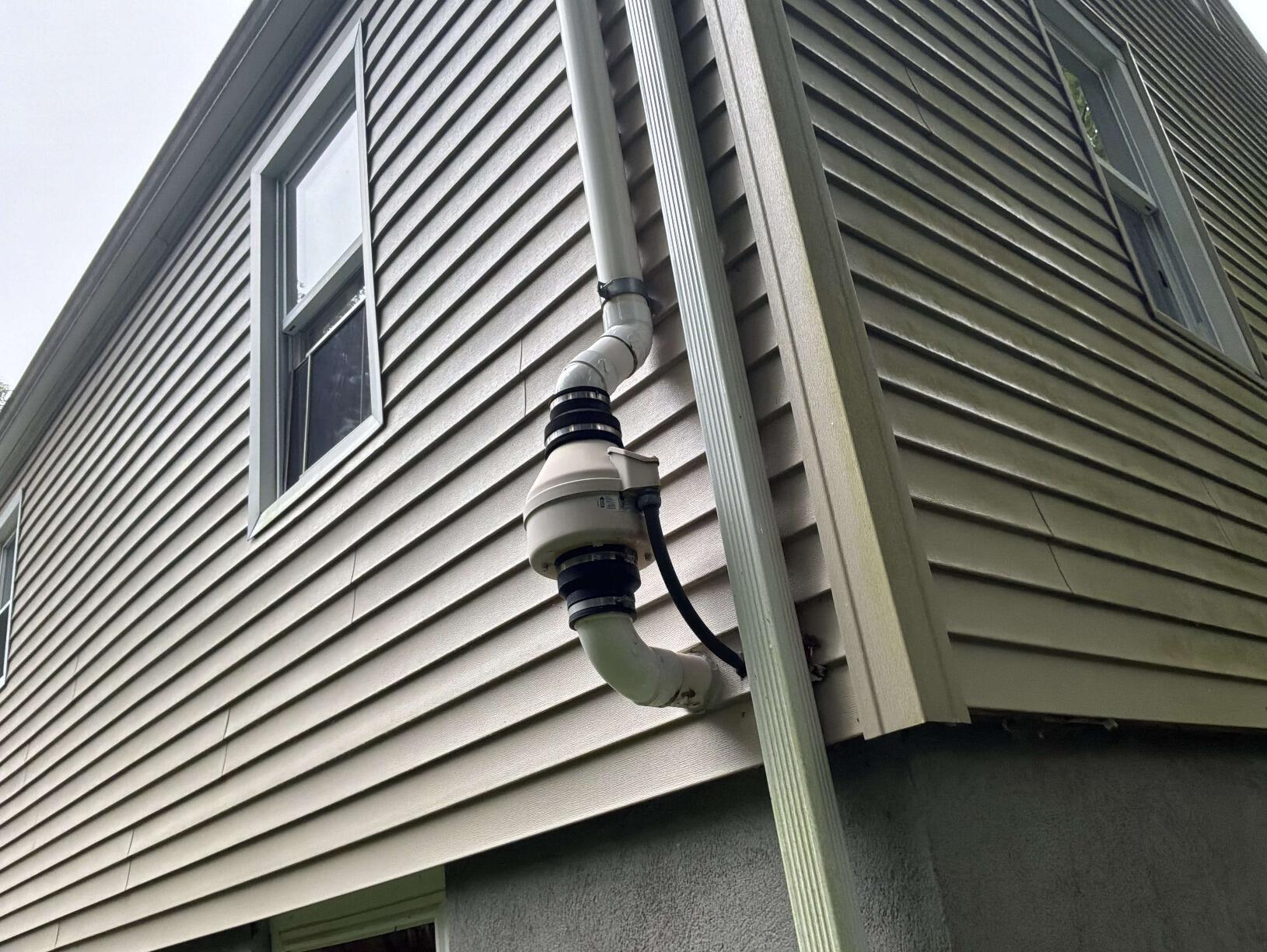
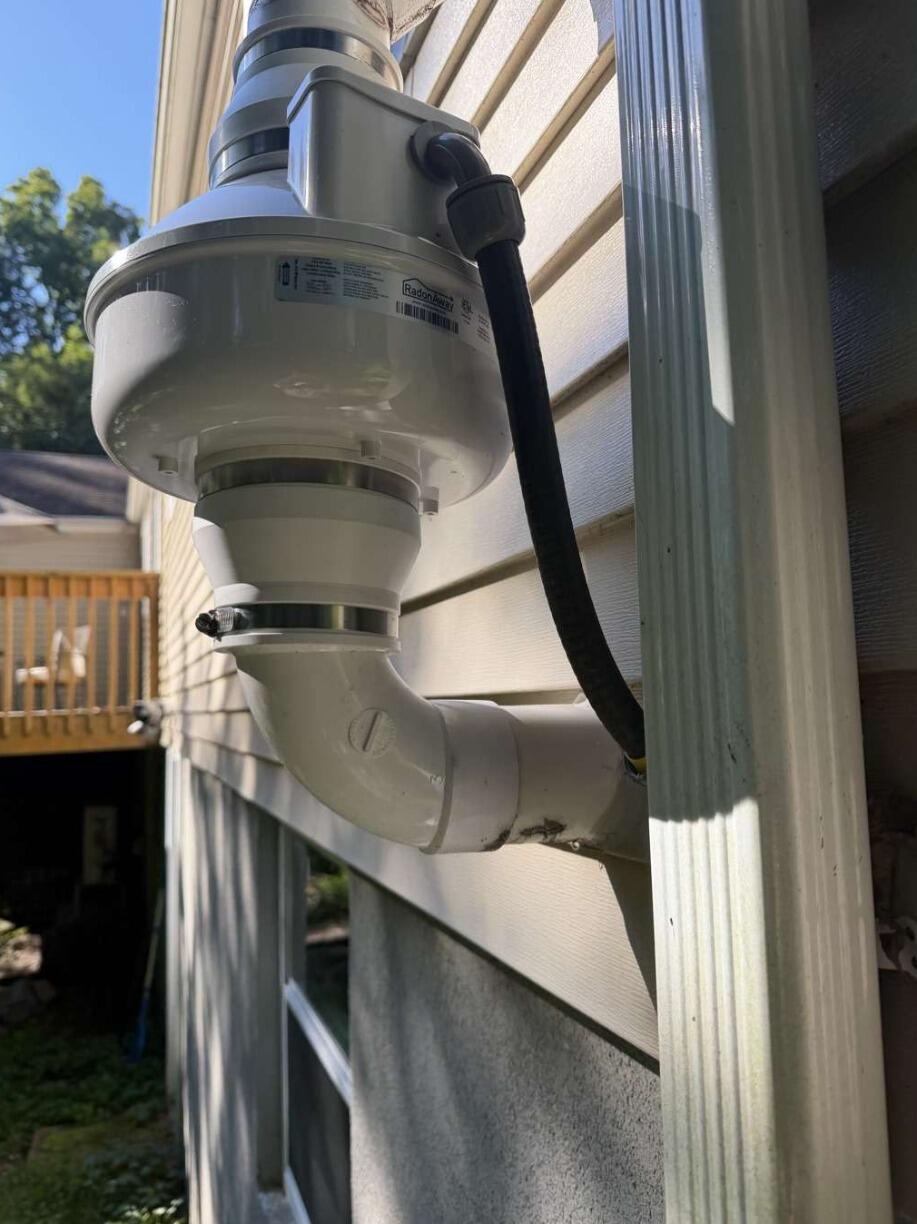
Before
The home has an existing radon mitigation system with the fan concealed behind drywall near the basement’s back door. The system has been in place since 2017, and the current fan is still running. The homeowner is interested in improving the system with a stronger fan and additional noise-reduction measures.
After
We plan to upgrade the existing fan to a stronger model and incorporate anti-vibration clamps and a muffler to help reduce noise and vibration. The existing system serves a home with an unfinished basement and an attached concrete crawl space, so the upgrade will be planned around the current layout. After the work is completed, the homeowner should have the radon level retested to confirm the system’s performance.
Three-Point Radon Mitigation System Installed in Salisbury
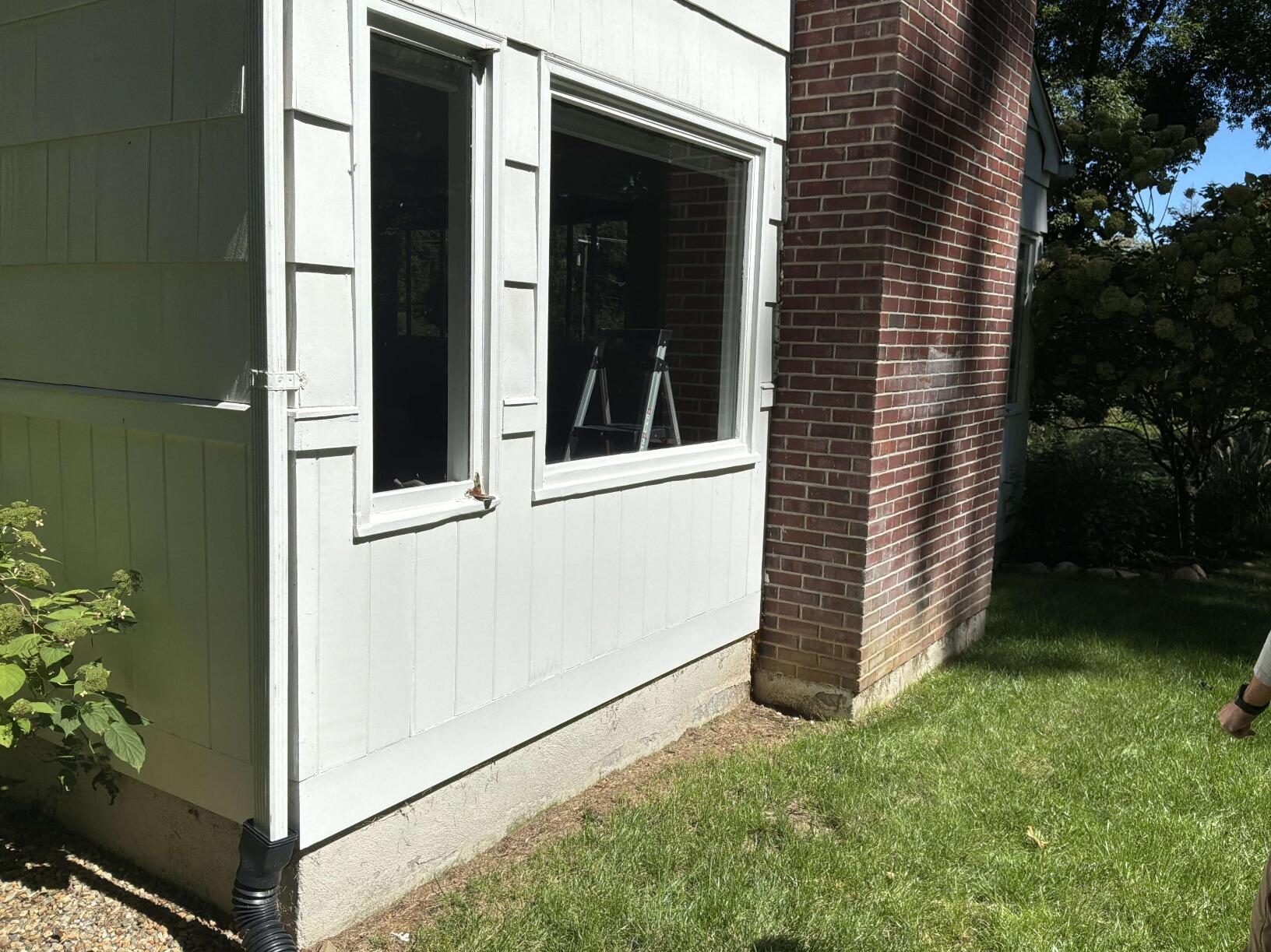
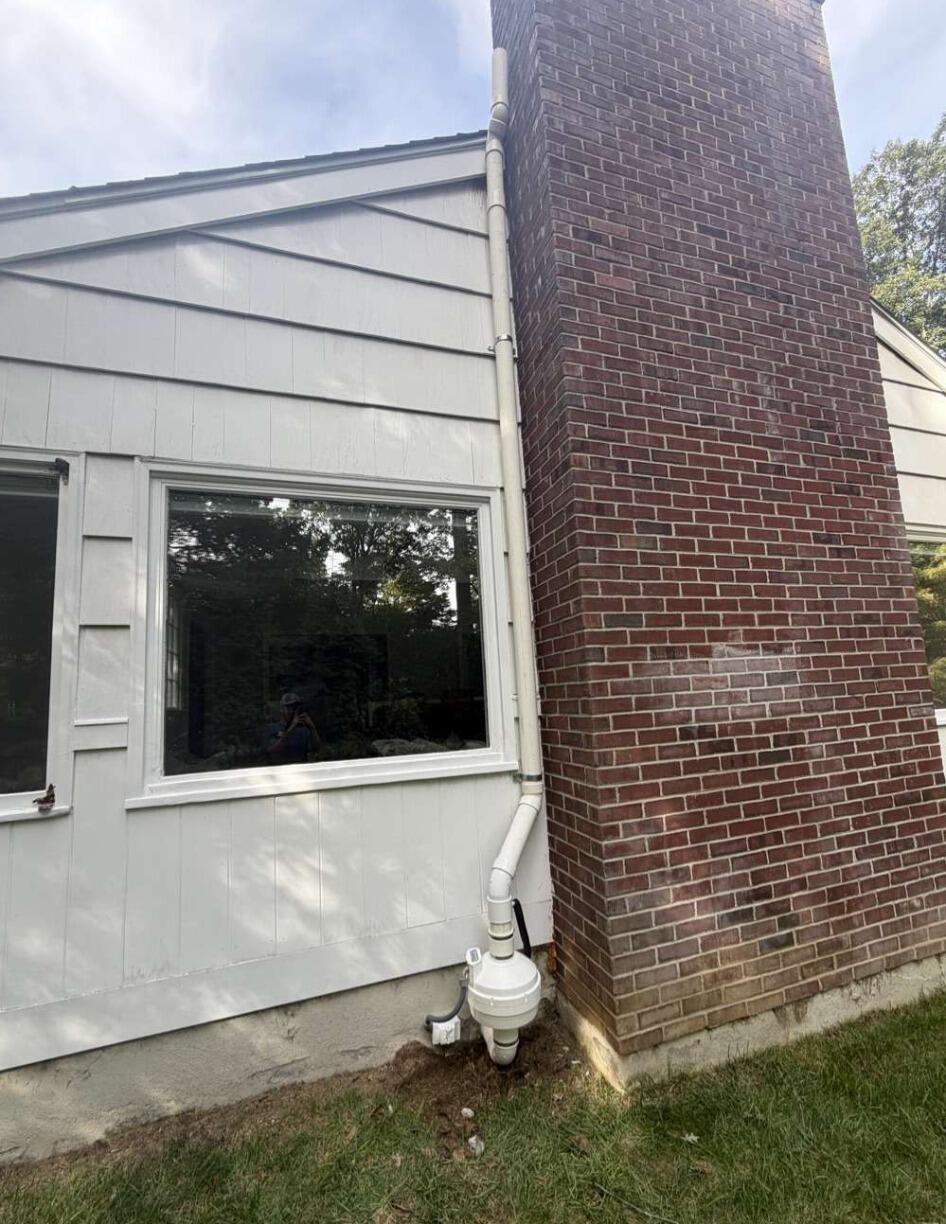
Before
The home tested at 20 pCi/L, well above the EPA's recommended action level of 4 pCi/L. The ranch-style layout included a partially finished basement, a separate crawl space, and an existing sump, requiring a system designed to address multiple areas beneath the home.
After
A three-point radon mitigation system was installed, with extraction points serving the unfinished laundry area and the crawl space beneath the living room. The piping was routed through the basement and garage, with the exterior exhaust extending above the roofline on the left side of the home. The sump was covered to help reduce another potential radon entry point. Follow-up radon testing is recommended to verify the system's performance and determine the home's resulting radon level.


