
Before & After Photos
Click on a photo to enlarge.
Transforming Air Quality: Bristol Home Radon Mitigation


Before: The home in Bristol, CT, exhibited radon levels that exceeded safe limits, posing a health risk to its inhabitants. After: Post-installation, the home now features a fully operational radon mitigation system that has successfully reduced radon levels to well within the EPA�s recommended safety guidelines. The new system ensures continuous control of radon, significantly enhancing the safety and air quality of the home.
Premium Radon Mitigation System Installed in Greenwich, CT


Four-Point Radon Mitigation System and Crawl Space Encapsulation Planned for Old Greenwich Home
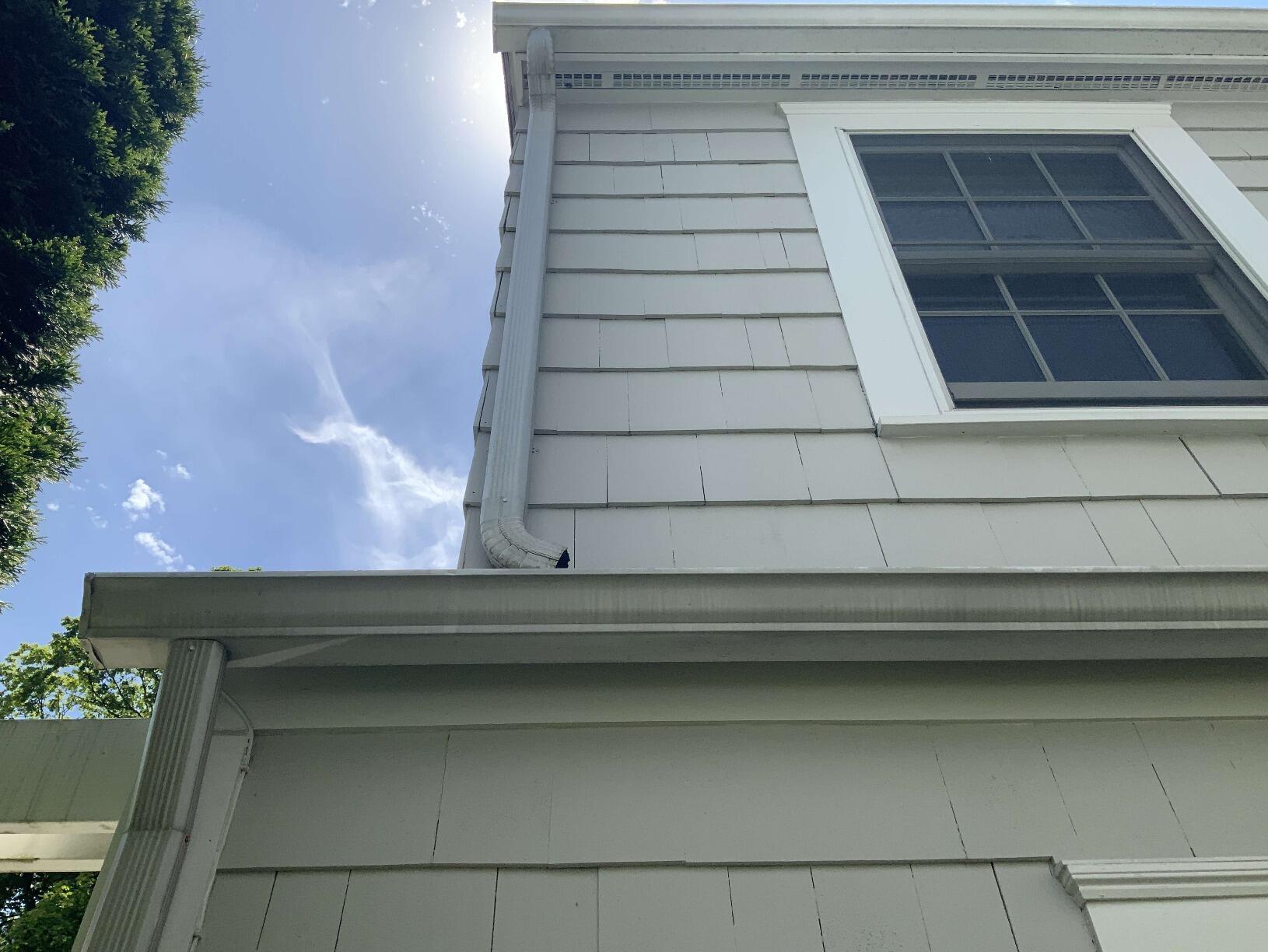
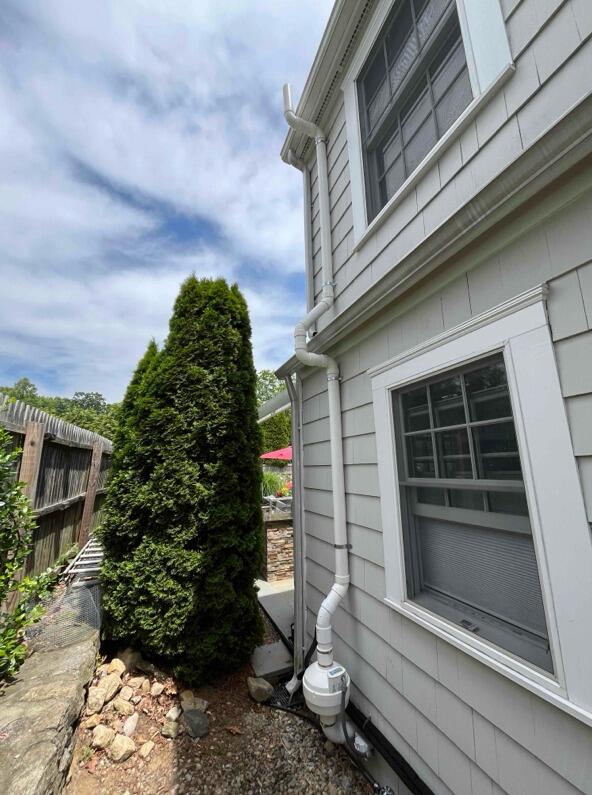
Two-Pipe Radon Mitigation System Planned for Stamford Home


Before
The home had a radon level of 4.3 pCi/L with no active mitigation system in place. The basement includes groundwater management and an inaccessible crawl space area.
After (Planned Work)
A two-pipe radon mitigation system is planned, with one extraction point in the basement foundation and a second horizontal run extending toward the crawl space.
Five-Point Radon Mitigation System Planned for Sherman Home
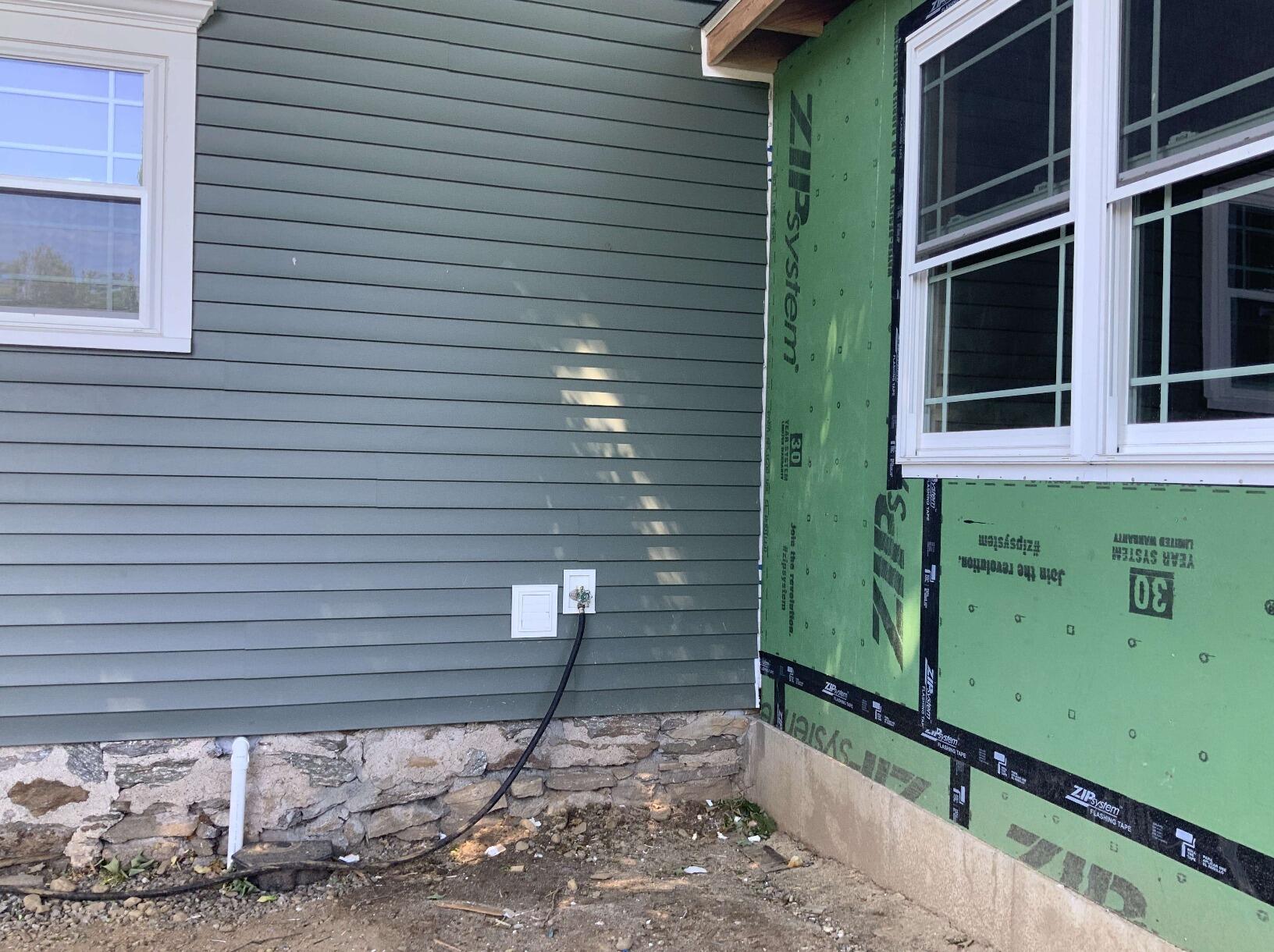
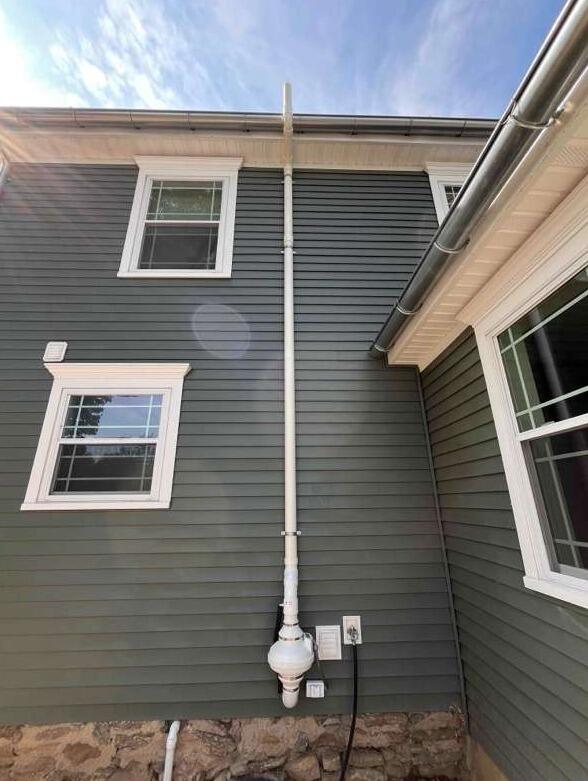
Before
Built in 1890, this Sherman home has an old fieldstone foundation, a sand-based crawl space environment, and three separate dirt crawl spaces. Radon levels range from 3.0 to 5.0 pCi/L, with readings reaching the EPA’s recommended action level of 4.0 pCi/L. The foundation has multiple areas that need to be addressed, including openings that require concrete sealing. The three crawl spaces are planned for encapsulation by CT Basement Systems.
After (Planned Work)
A five-point radon mitigation system is planned, with three extraction points serving the crawl spaces and two serving the main foundation. A Festa Hawk fan will provide the suction needed to draw soil gases into the system and vent them outdoors. The plan also includes sealing identified openings in the concrete, while CT Basement Systems will handle crawl space encapsulation. Once the planned work is complete, follow-up radon testing can help evaluate the system’s performance.


