
Before & After Photos
Click on a photo to enlarge.
Radon Mitigation System Repair Planned for Gaylordsville Home
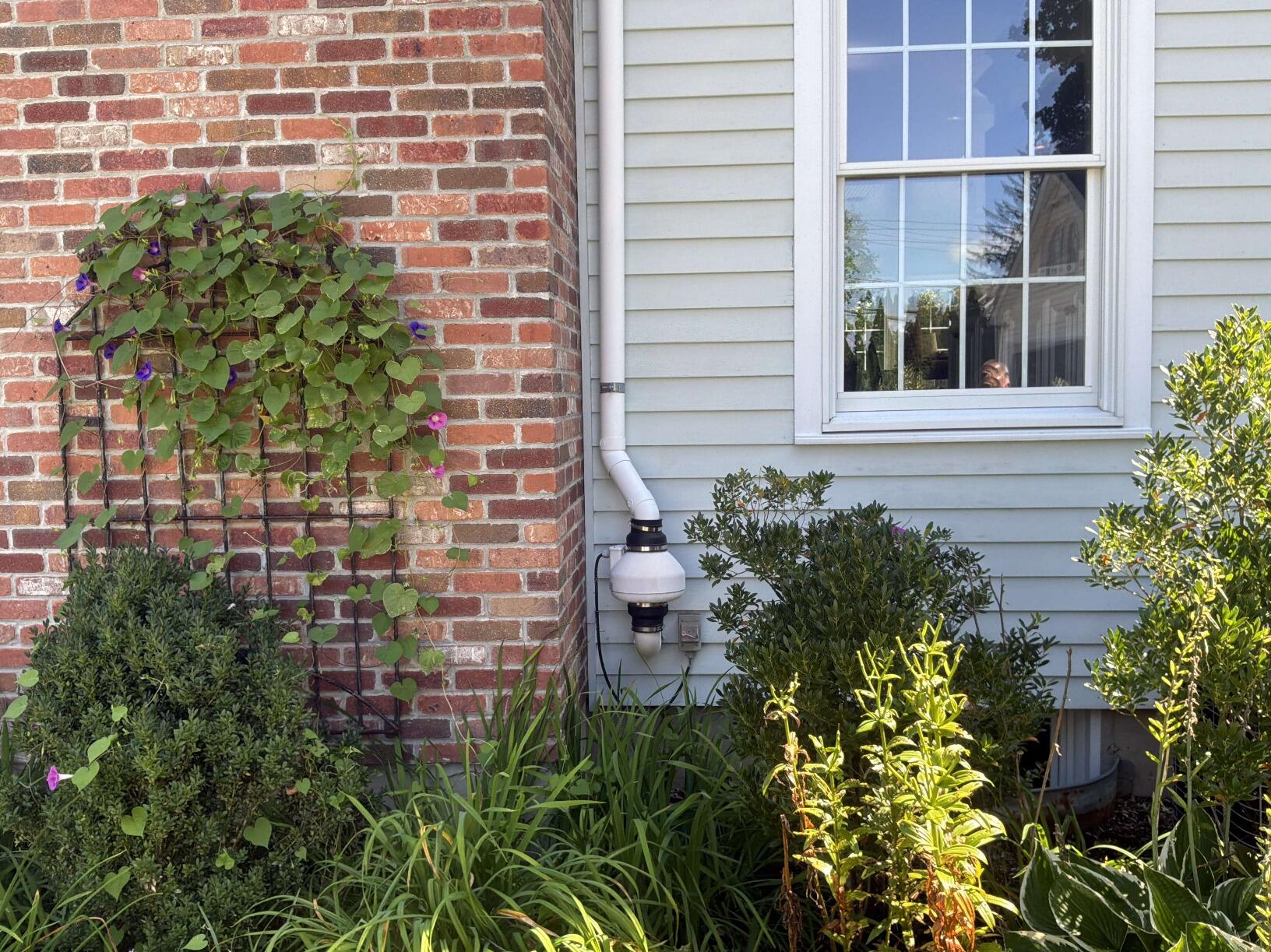
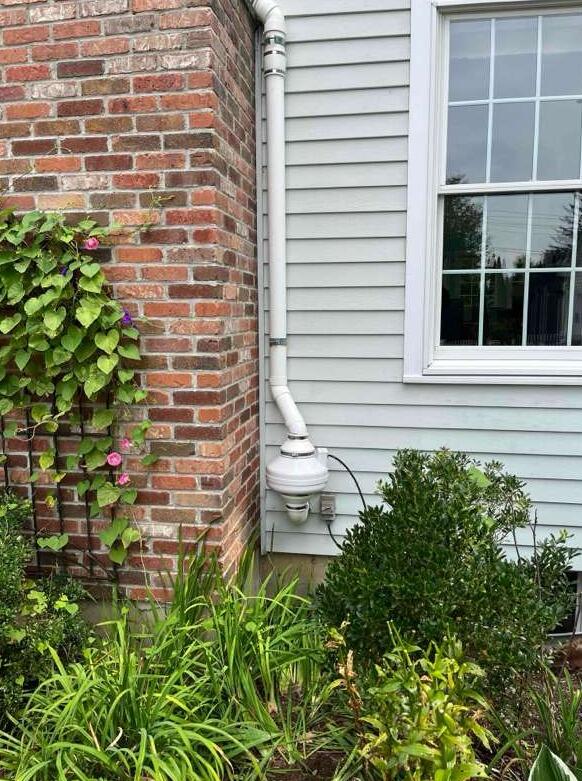
Before
The existing radon mitigation system had disconnected piping, exposed wiring beneath the switch, and a cracked elbow above the fan. These issues need to be addressed before the system can be considered properly repaired.
After
Apex Radon Solutions plans to replace the fan with an RP265 model, repair the exposed wiring, reconnect the piping, and replace the cracked elbow. Once the repairs are completed, the system can be checked for proper operation. The service date remains pending confirmation from the realtor.
One-Point Radon Mitigation System Planned for Gaylordsville Home
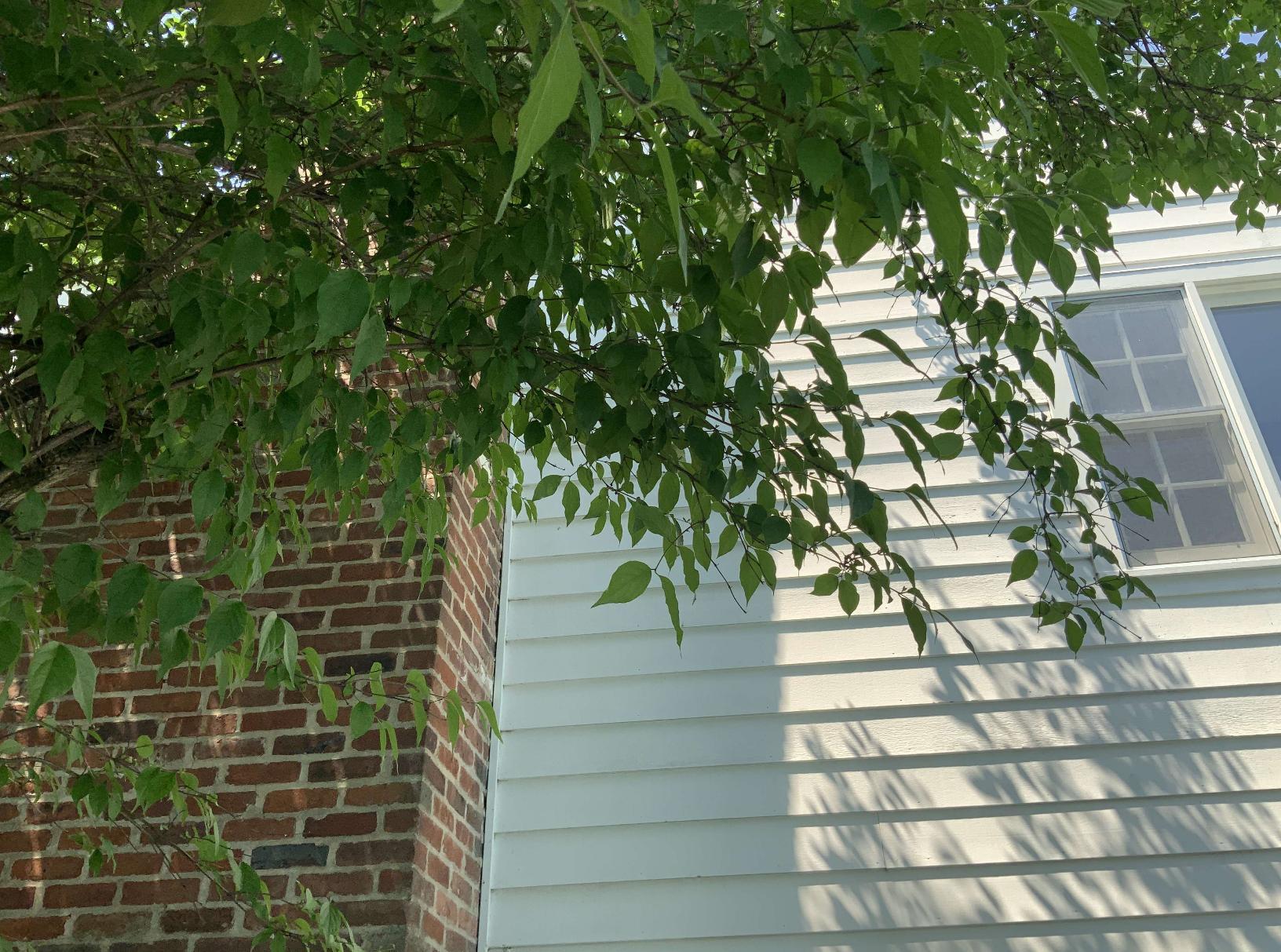
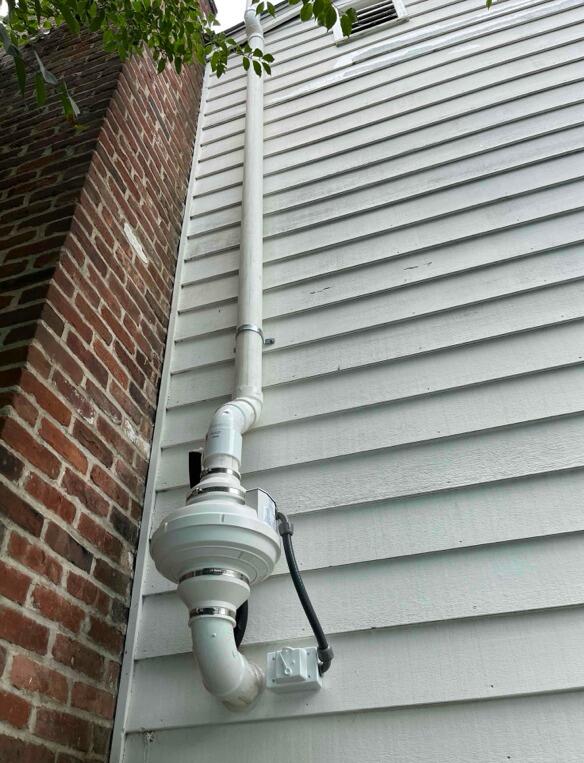
Before
The home has elevated radon levels and does not currently have an active mitigation system.
After (Planned Work)
A one-point radon mitigation system will be installed, with piping routed from the basement and exiting on the right side of the home near the chimney.
Radon Mitigation System Installation in Gaylordsville
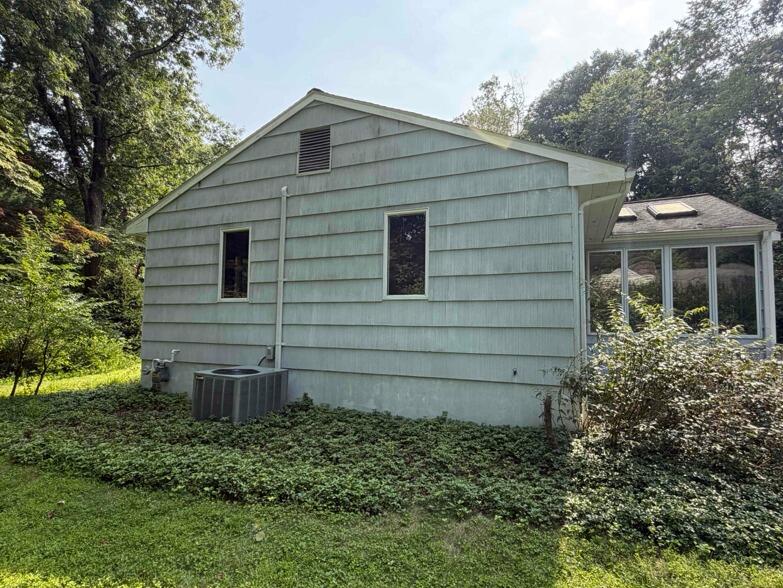
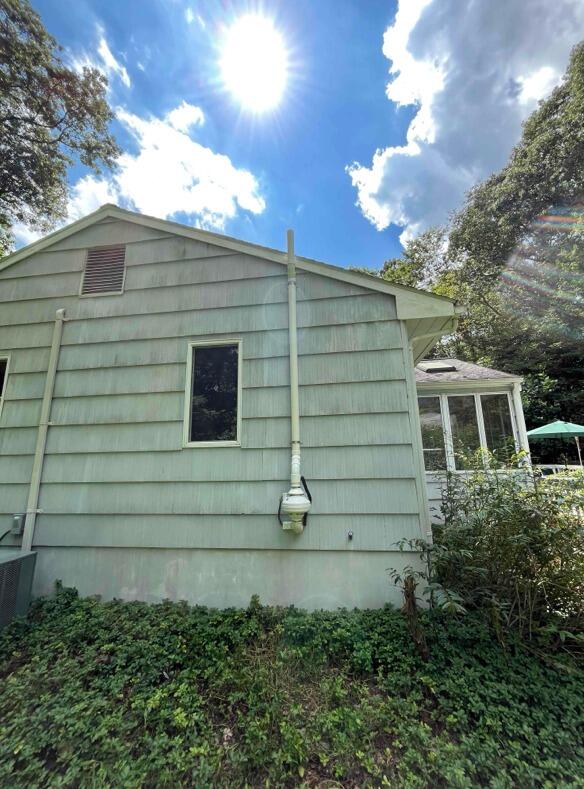
Before
The home had an elevated radon level of 9.0 pCi/L, with both a main basement and a separate crawl space to address. The utility room included a floor opening that required attention, and the homeowner noted that thick concrete could make creating an extraction point more challenging.
After
A two-point radon mitigation system was installed, with one extraction point serving the crawl space and the other serving the basement utility room. The system was equipped with an RP265 fan, and the utility room perimeter and designated floor opening were addressed as part of the installation. Post-installation radon testing is the next step to confirm the system’s performance.
Radon Fan Installation and Insulated Attic Enclosure in Gaylordsville
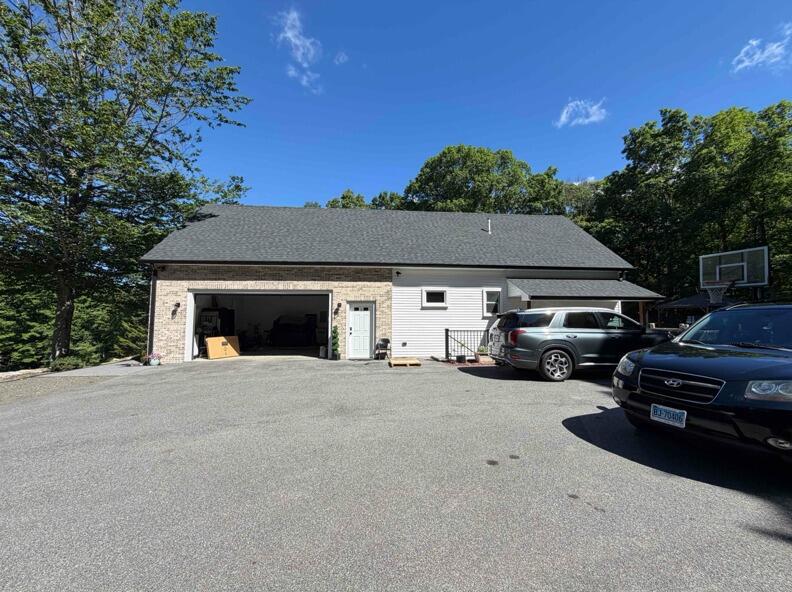
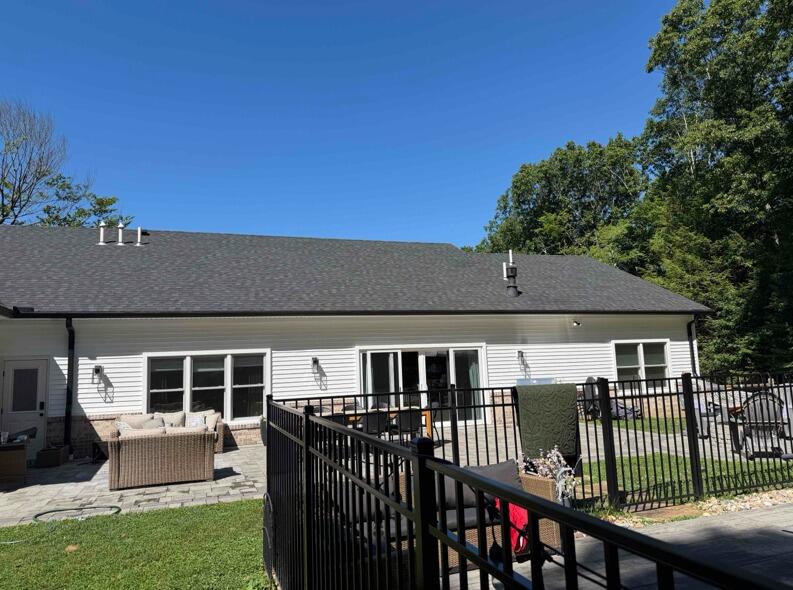
Before
The home had radon piping installed during construction, but it did not yet have an active fan or completed roof vent. With radon levels measuring 11–13 pCi/L, the existing setup needed to be completed to actively draw radon from beneath the foundation and exhaust it safely outdoors.
After
Apex Radon Solutions completed the attic fan enclosure and installed the vent piping through the roof. The fan is housed in an insulated box designed for the home's conditioned attic space. The remaining electrical connection was to be handled by the homeowner's electrician.
One-Point Radon Mitigation System Installed in Ridgefield
Before
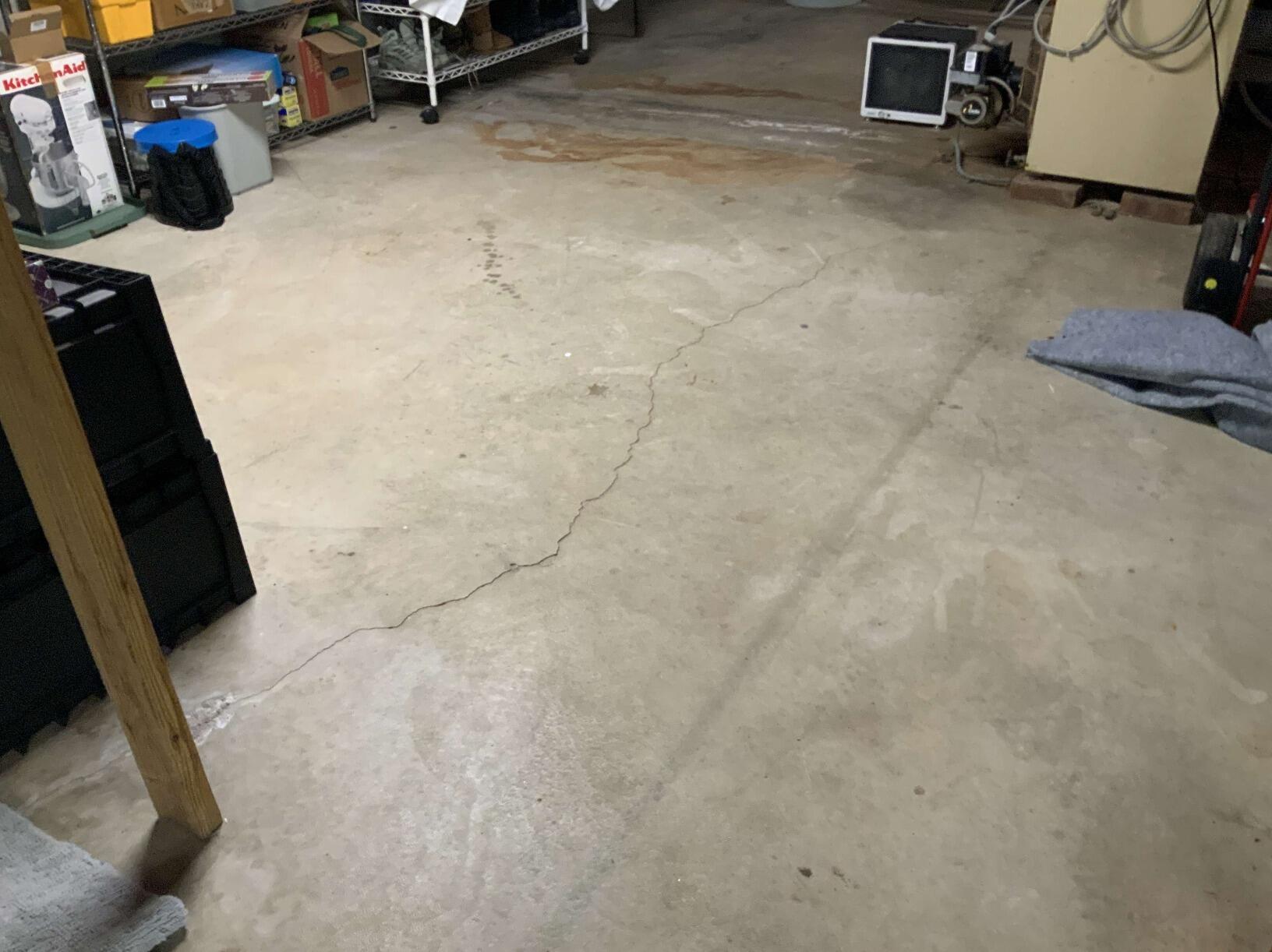
This Ridgefield home is an unfinished Cape-style house built around 1960, with a measured radon level of 6.9 pCi/L, above the EPA’s recommended action level of 4.0 pCi/L. The home has no crawl space or sump pump. Cracks in the concrete floor provided areas for sealing as part of the mitigation work.
After
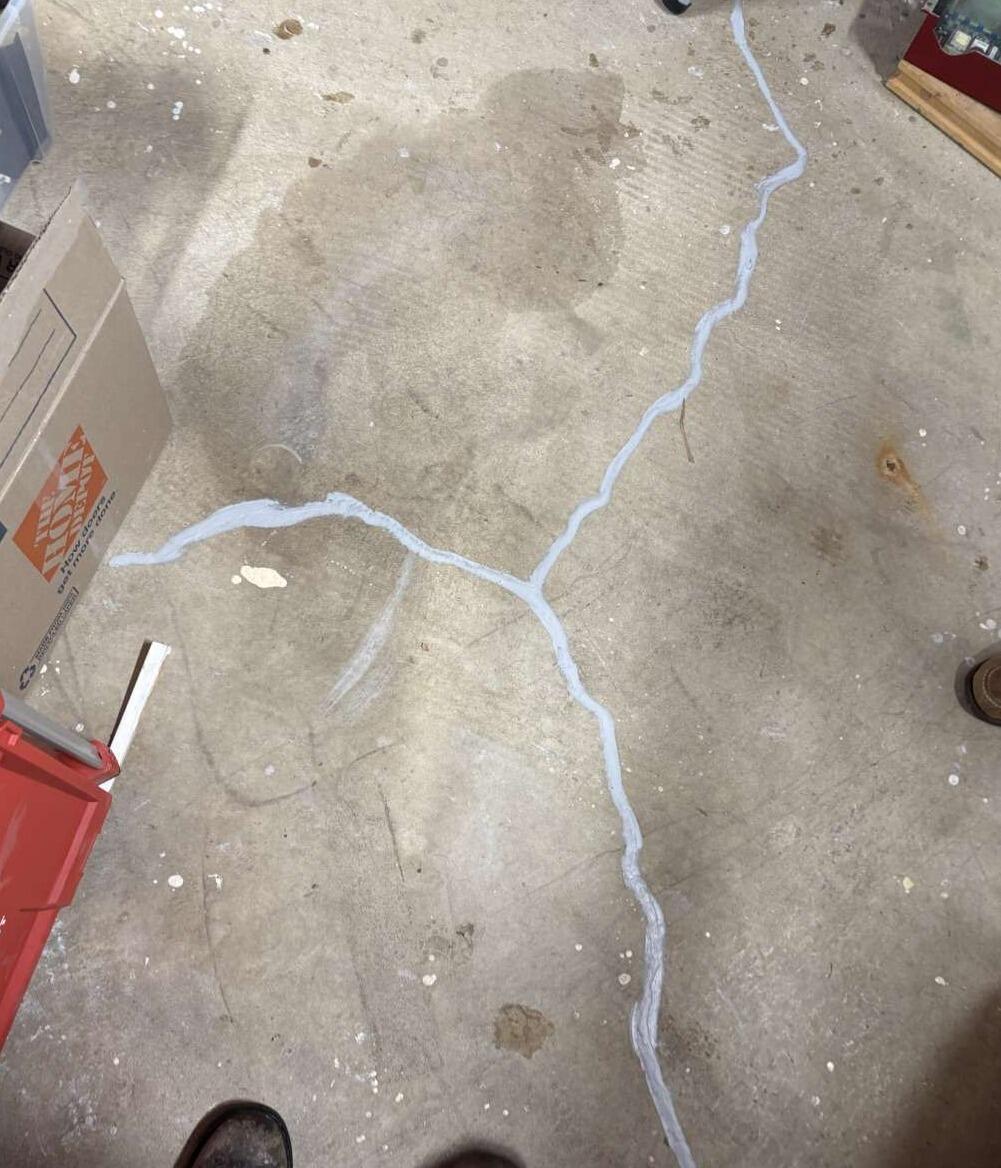
A one-point radon mitigation system was installed, with the extraction point positioned near the main beam and piping routed toward the right side of the house. Approximately 50 feet of floor cracks were sealed to help limit soil-gas entry. The installation works with the home’s existing foundation layout, and follow-up testing can help confirm how effectively radon levels have been reduced.


