
Before & After Photos
Click on a photo to enlarge.
Exterior Package Mitigation-Sheldon,IA
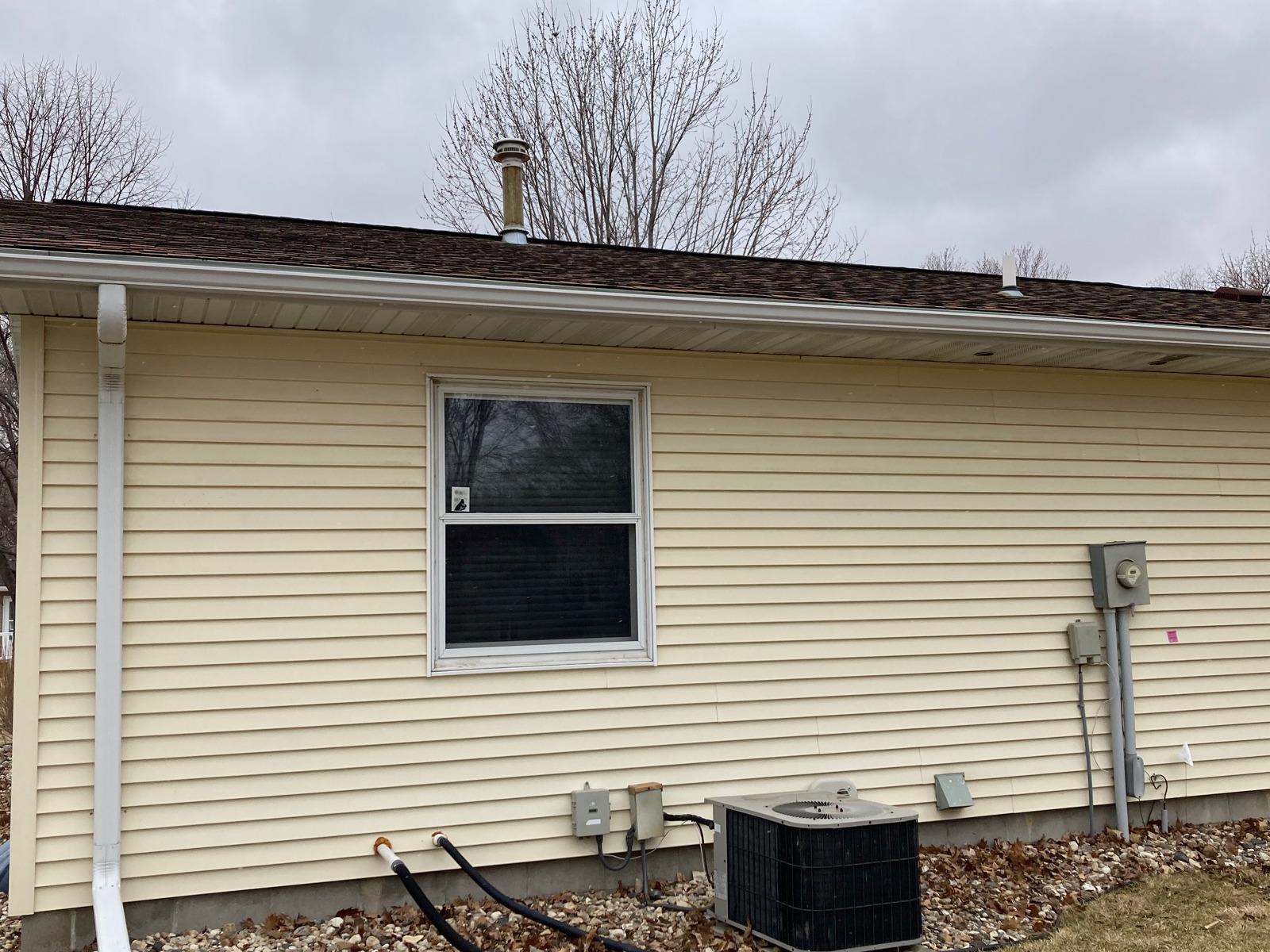
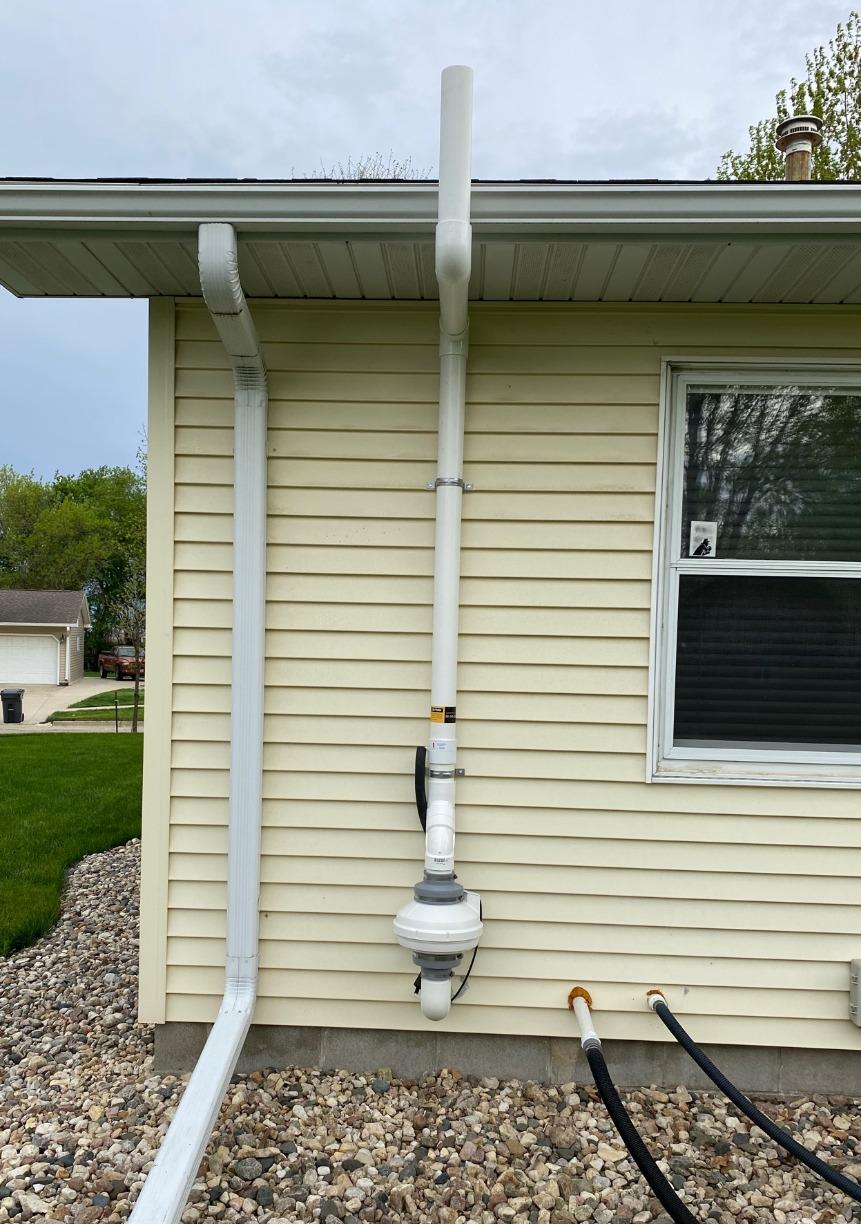
Cole did a great job with this exterior install. The customer was happy with the outcome of the work!
Interior Design Install- Sheldon, IA
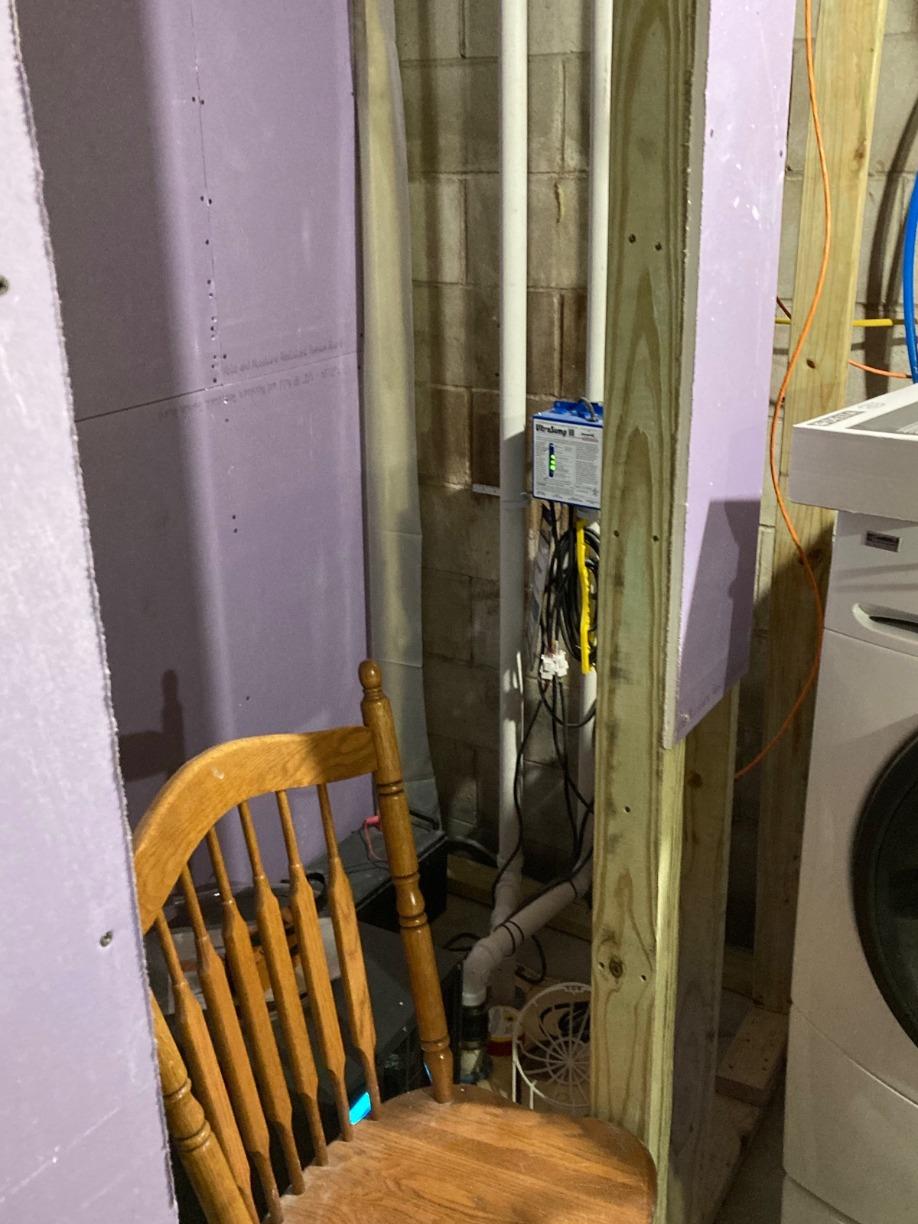
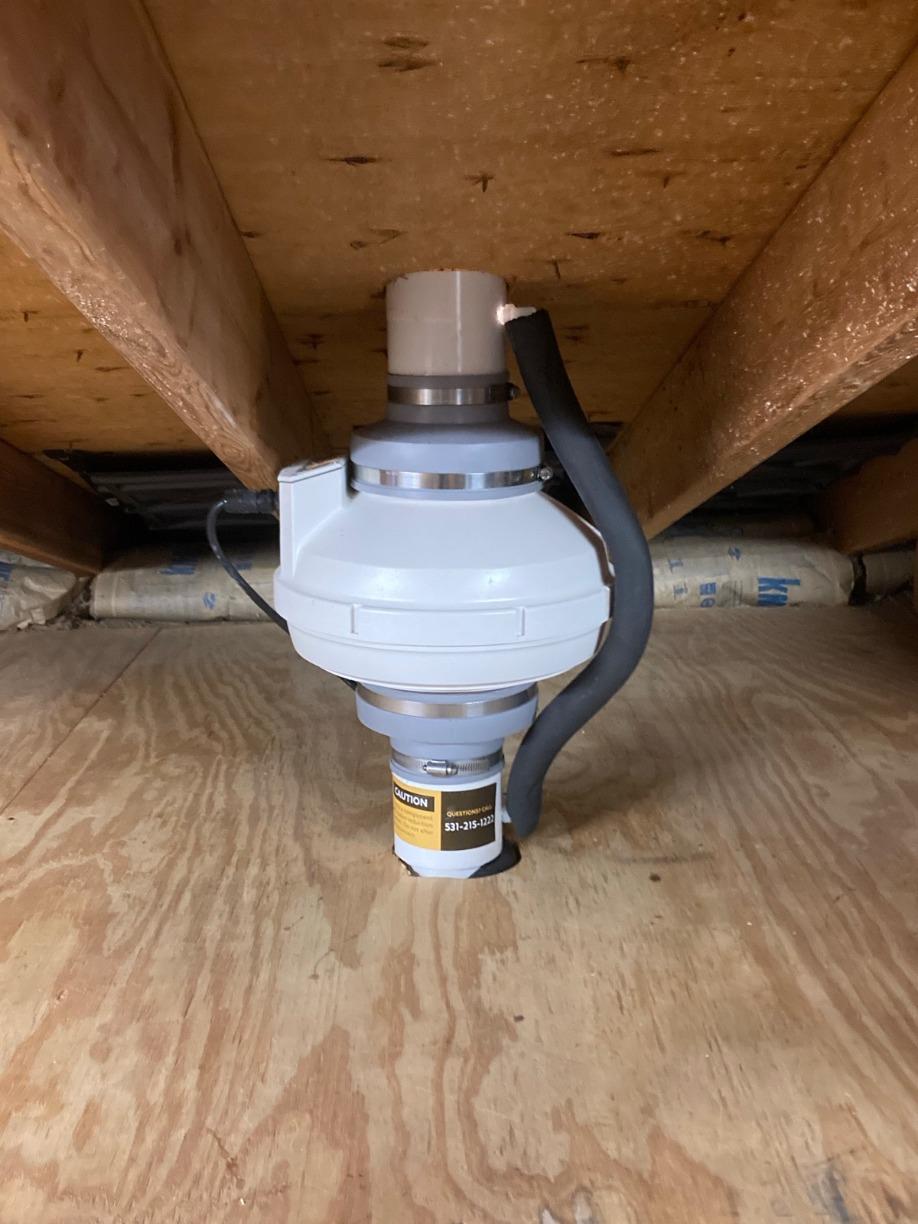
Andrew and John helped our customers with their high radon levels by installing this interior radon mitigation system.
Radon Mitigaiton - Sheldon, IA
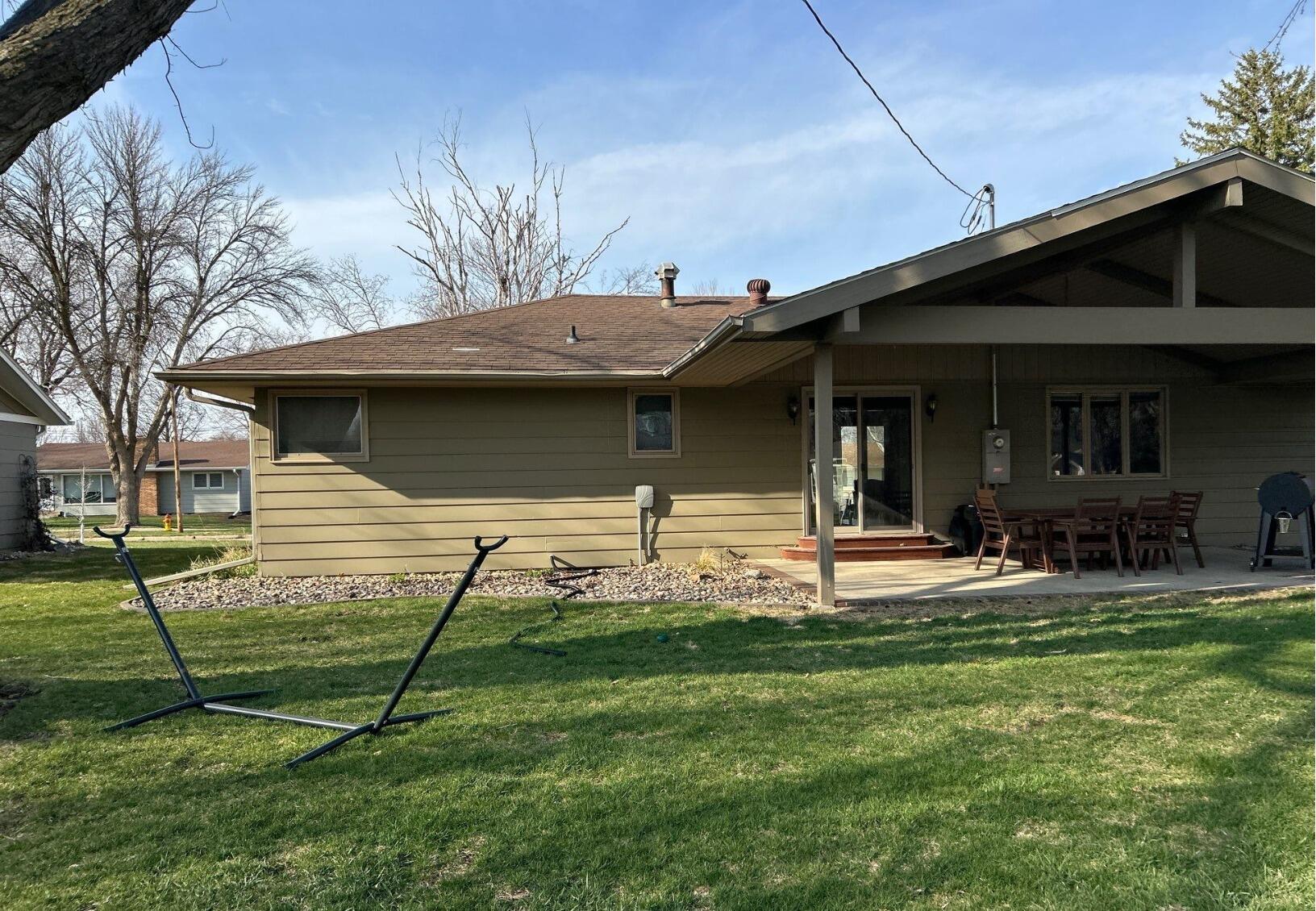
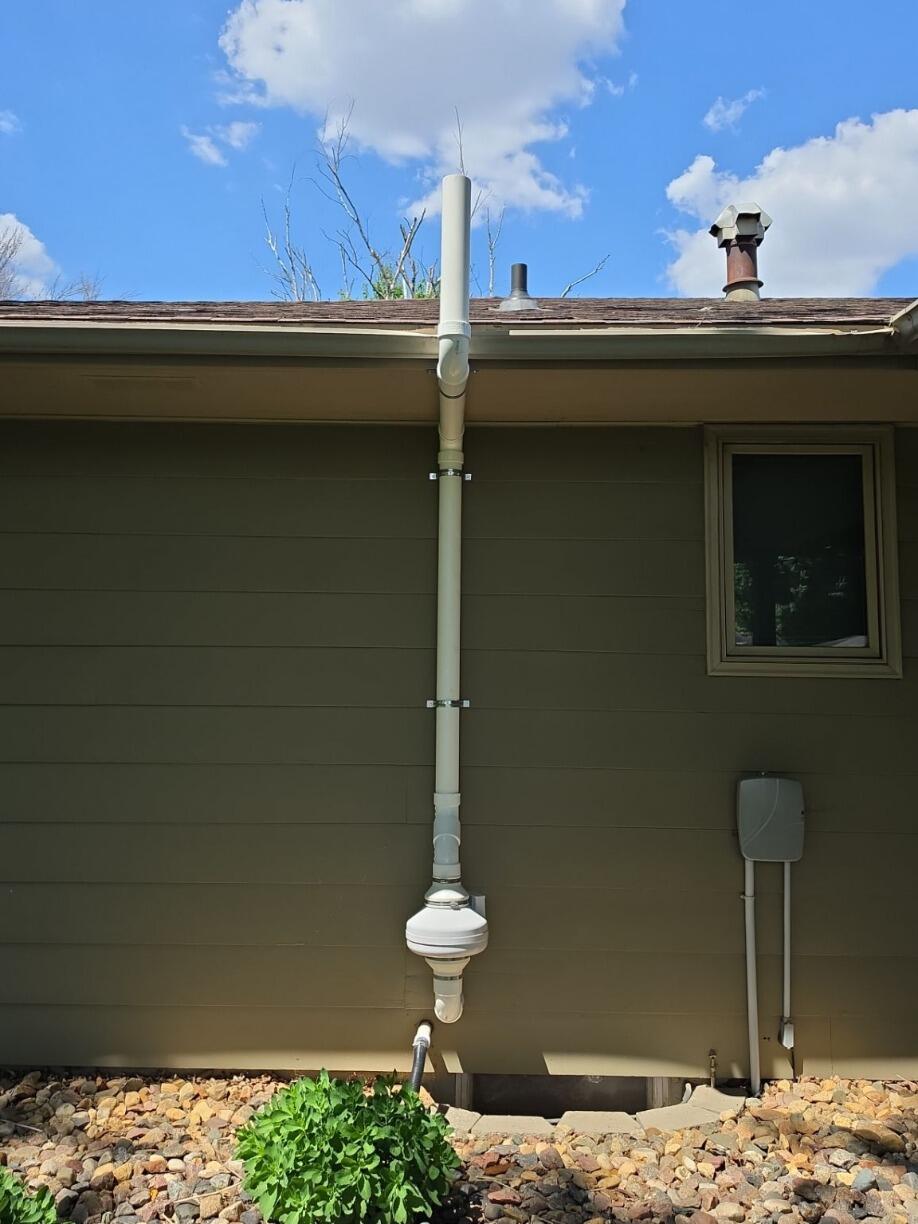
Iowa Homeowner Reduces 7.6 Radon Levels with Professional Radon Mitigation
After a radon test revealed levels of 7.6 pCi/L, well above the EPA action level, an Iowa homeowner decided it was time to take proactive steps to protect the home for the future. While there were no immediate concerns, the homeowner understood the importance of reducing long-term radon exposure and improving indoor air quality. A home radon mitigation system was installed by Iowa Radon Defense Northwest to safely lower radon concentrations and prevent radon exposure poisoning Taking action today can help reduce health risks and provide lasting peace of mind for homeowners and their families.
Radon Mitigation - Cherokee, IA
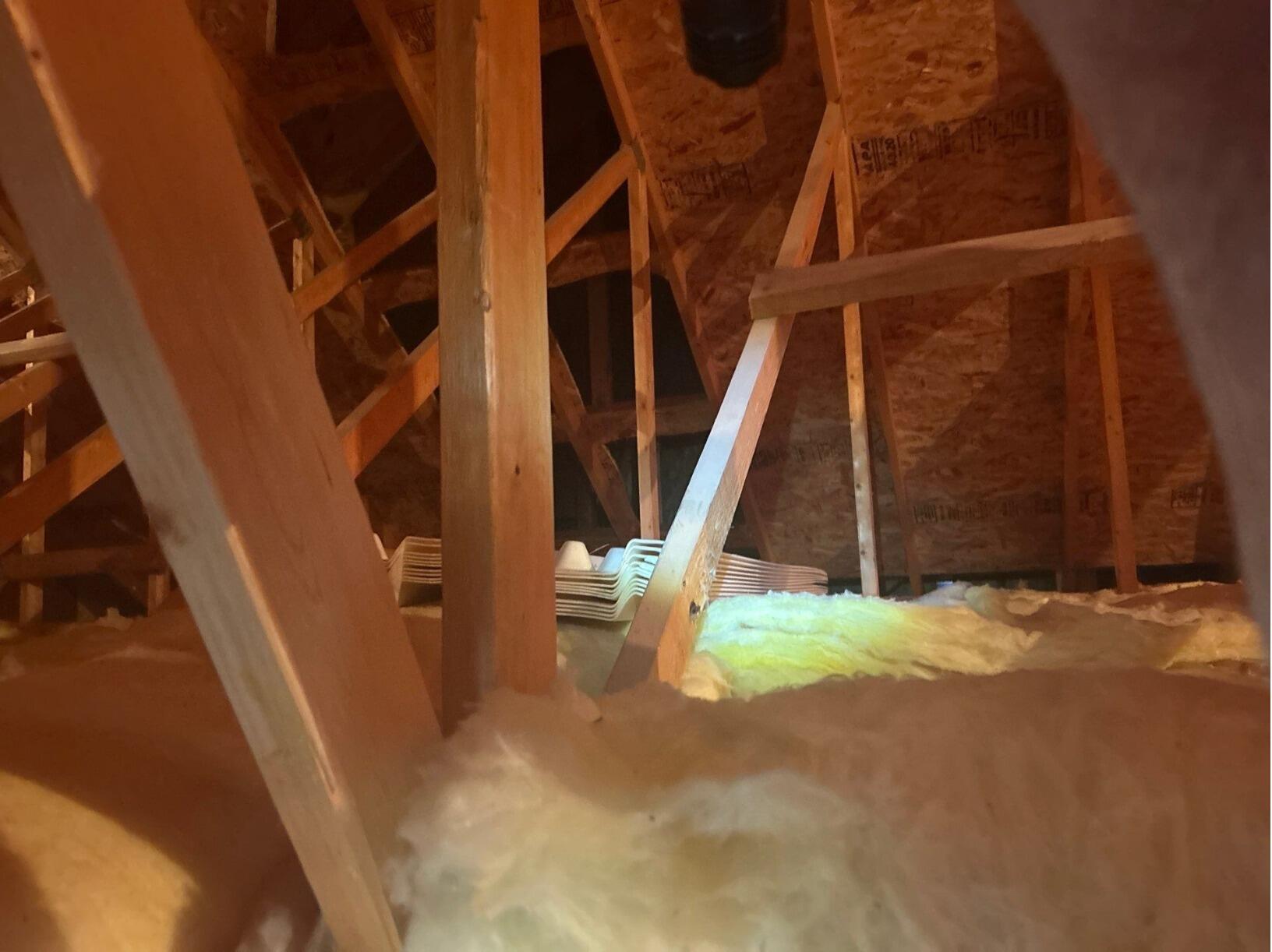
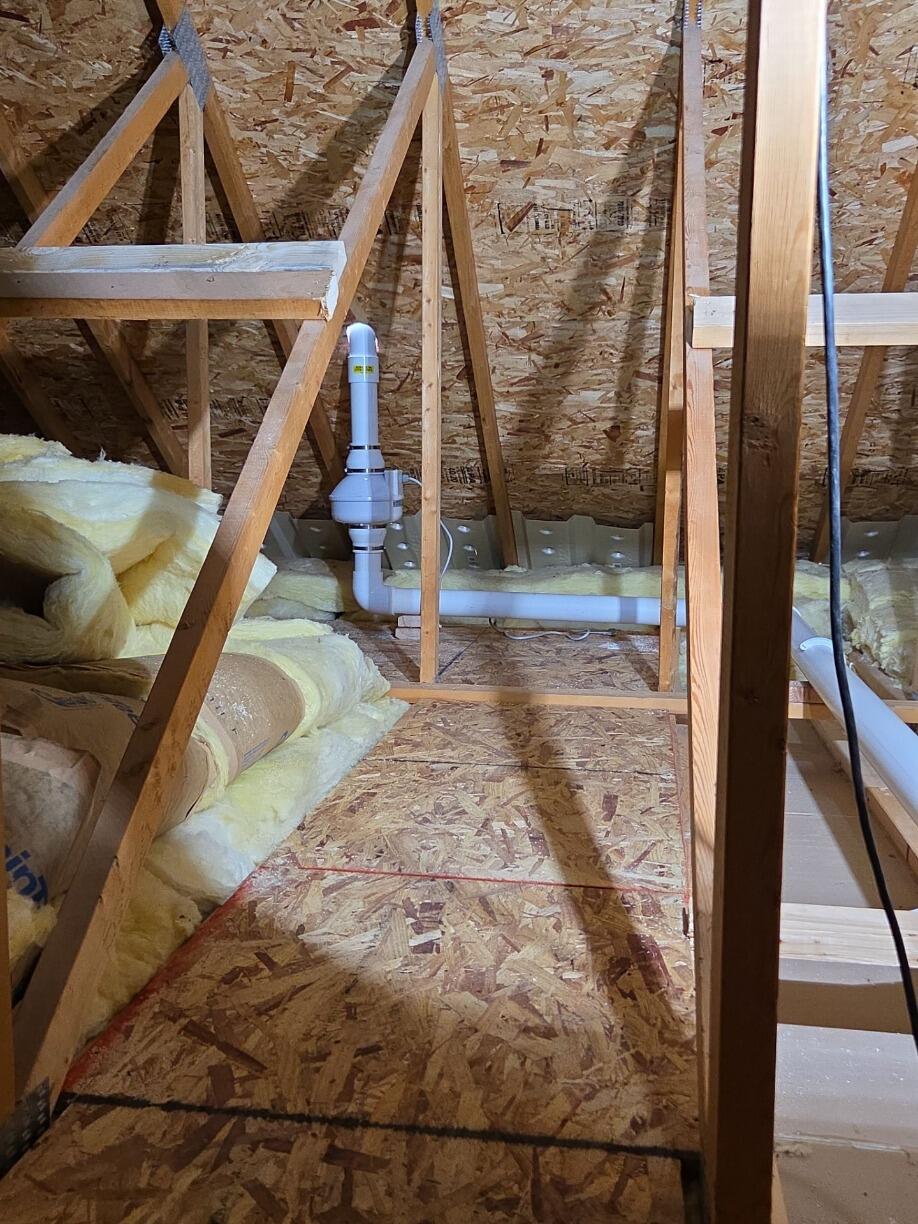
Iowa Homeowner Goes from Radon Skeptic to Investing in a Two-Point Mitigation System
After hearing about radon mitigation from a family member who had already addressed radon in their own home, a homeowner decided to do more research. Initially skeptical about whether a radon mitigation system was necessary, he ultimately saw the value in reducing potential radon exposure and protecting the home. A customized two-point radon mitigation system was installed, with the system exiting through the side of the home. The project gave the homeowner confidence that he had made an informed decision based on research and professional recommendations.
Radon Mitigation - Paullina, IA
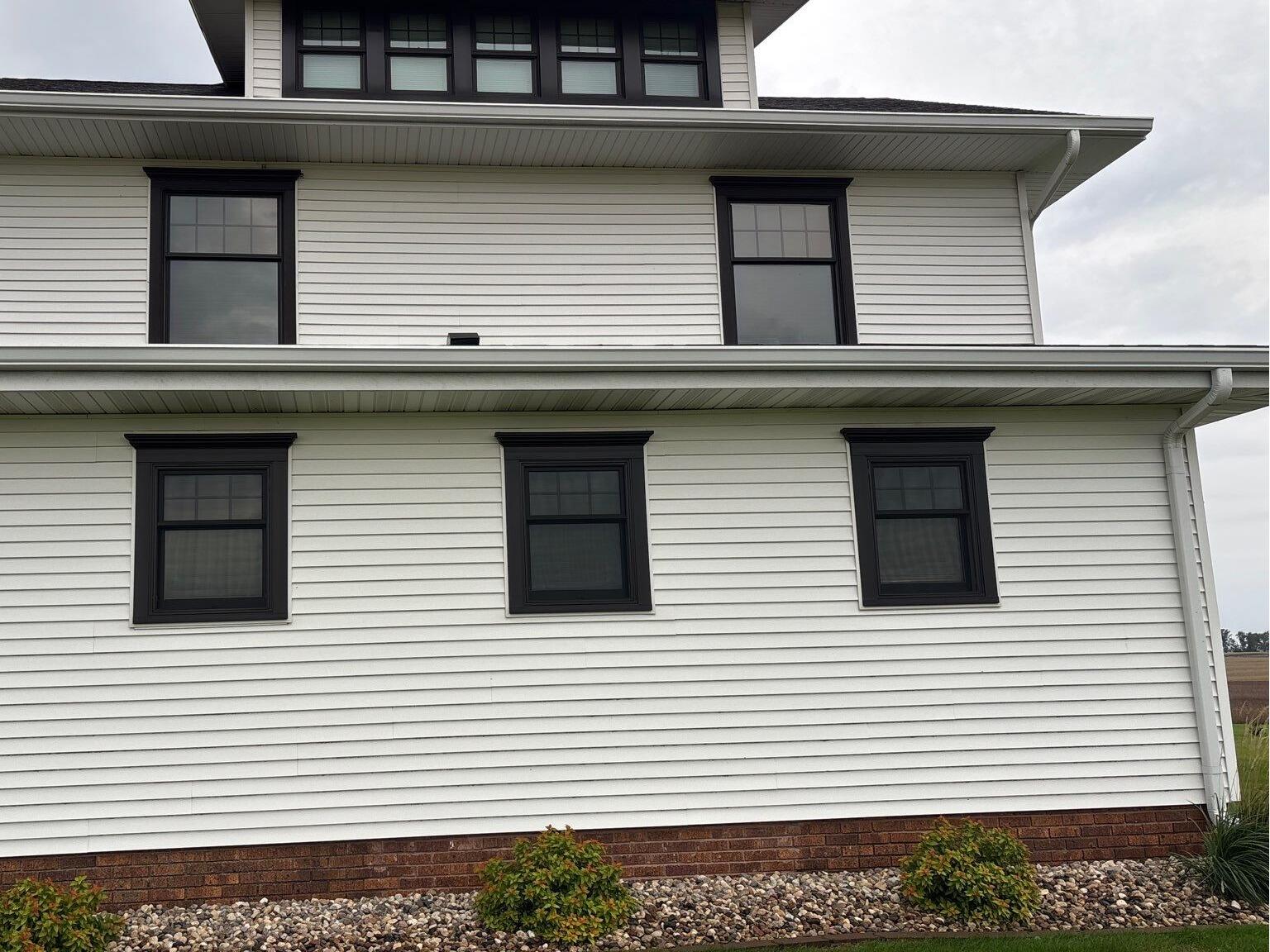
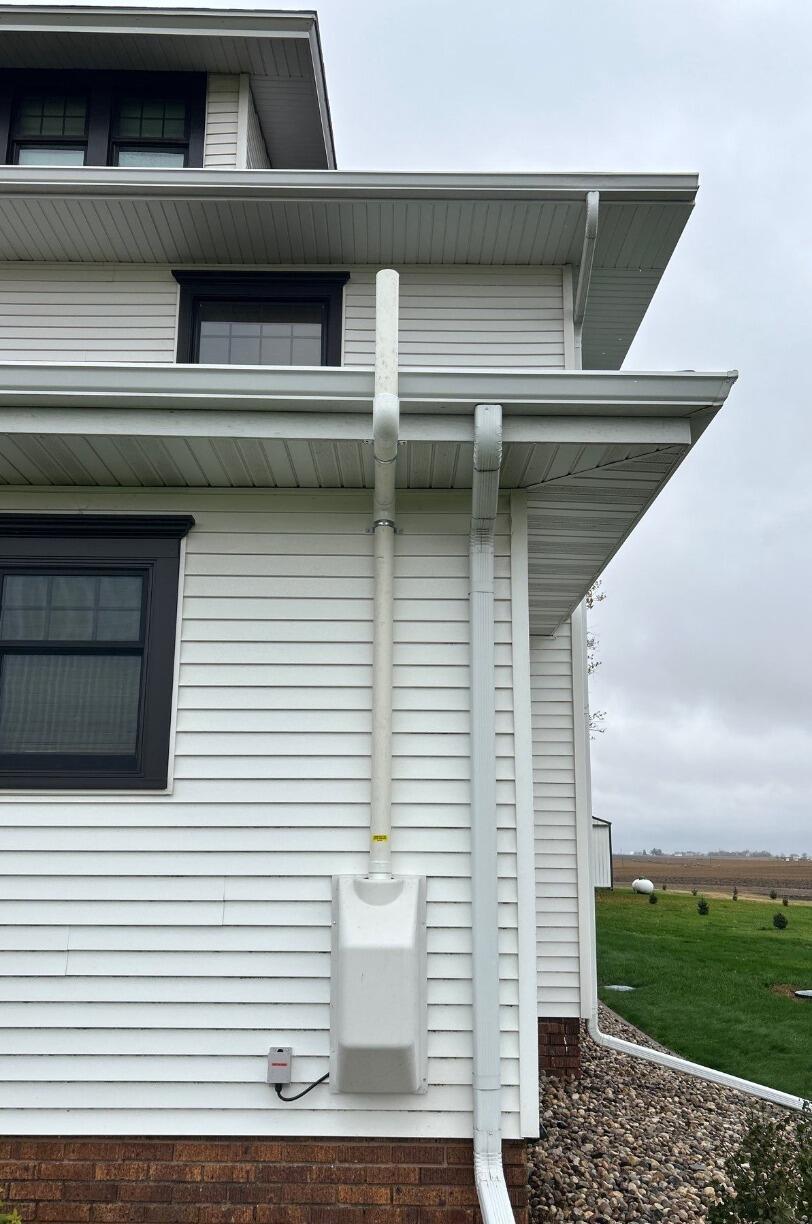
Extreme Radon Levels of 26–40 pCi/L Lead Homeowner to Begin Mitigation
A charcoal test revealed radon levels of 26 pCi/L, while the home's monitor displayed a reading of 40 pCi/L during the visit. These readings are significantly above the EPA's recommended action level of 4 pCi/L, making radon mitigation an important priority. An ERV system was discussed as another potential approach, but the homeowner chose to begin with a sub-slab depressurization system. The initial installation will address the selected areas rather than every chamber of the home. Because of the unusually high readings and the decision not to address all chambers initially, there is no guarantee that the system will bring radon levels below the recommended action level. Follow-up testing will be important to determine whether additional mitigation is needed.


