
Before & After Photos
Click on a photo to enlarge.
Radon Mitigation - Albert City, IA
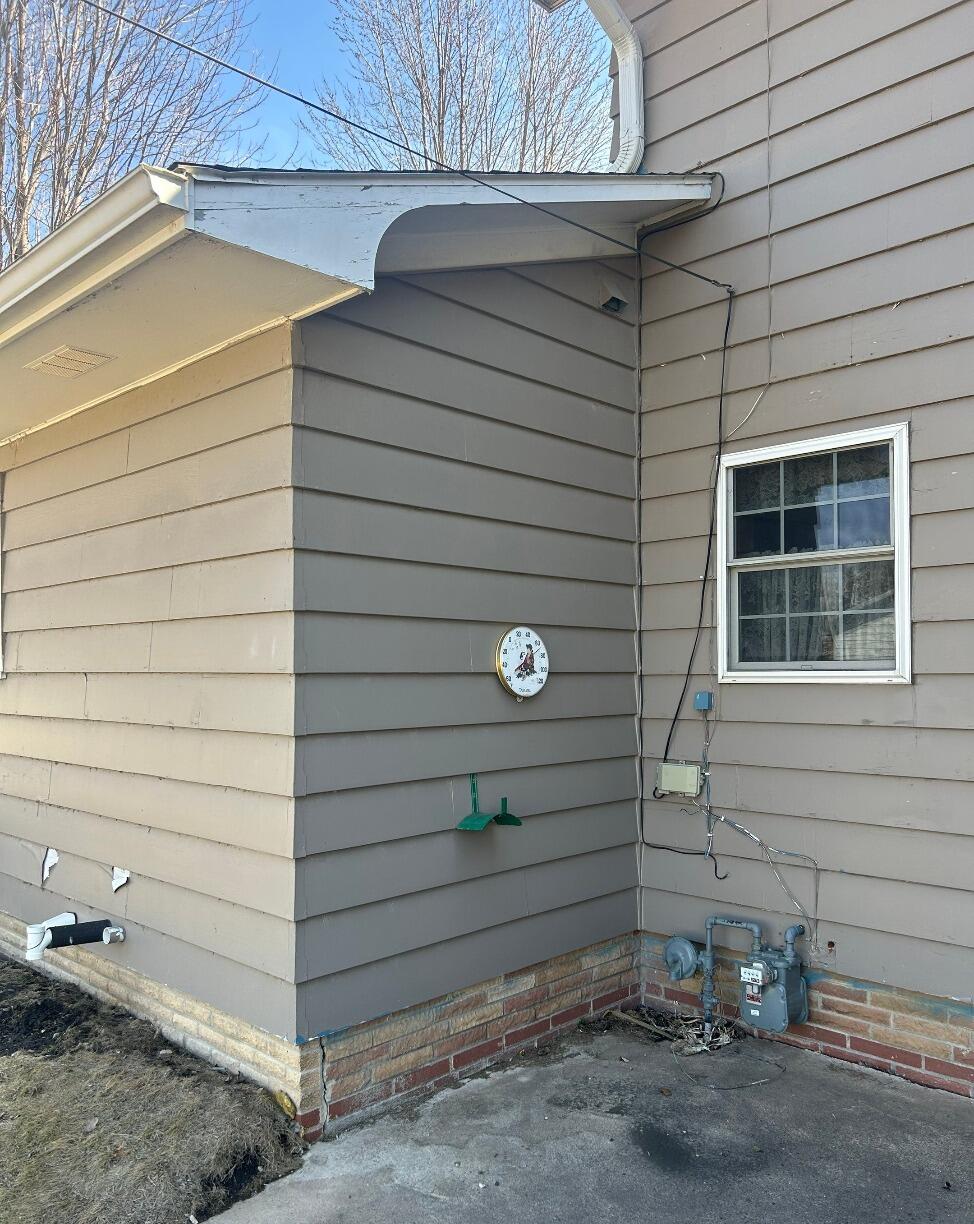
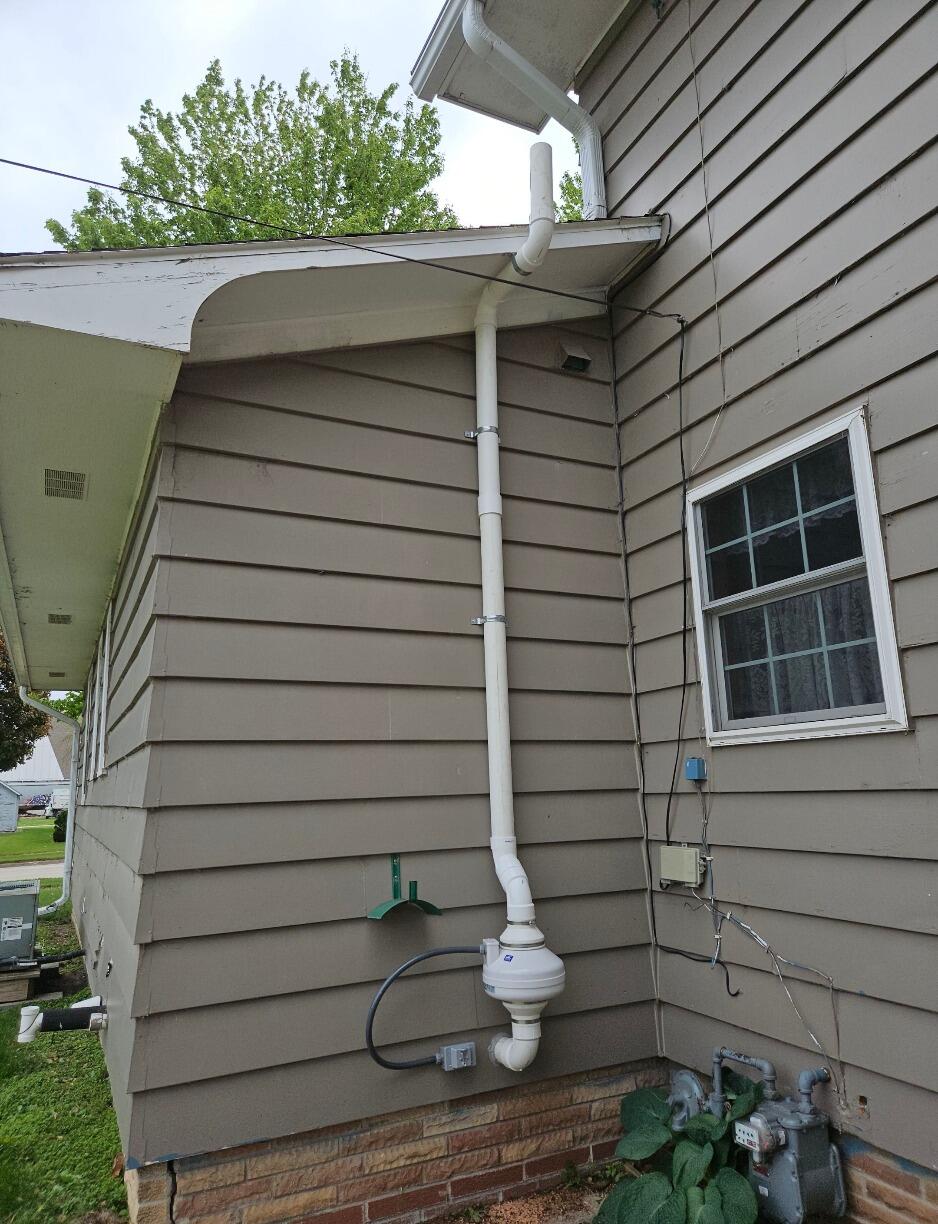
Multi-Chamber Basement? No Problem with Radon Mitigation.
This home’s basement is uniquely split into 4–6 separate chambers—making airflow and radon reduction more complex than usual. The techs were designing a 2-fan mitigation system to address the layout: one fan will manage 2 extraction points, and the second fan will cover 3. Both systems will exhaust cleanly out the back of the house. The homeowner is highly focused on air quality and showed strong interest in the Breathe EZ Air Cleaner. Due to some site limitations, please take a moment to walk Ken through how to replace the Breathe EZ filter during install. This is a great opportunity to make a real impact with radon reduction and cleaner air for the entire home.
Nicely Done- Spencer, IA
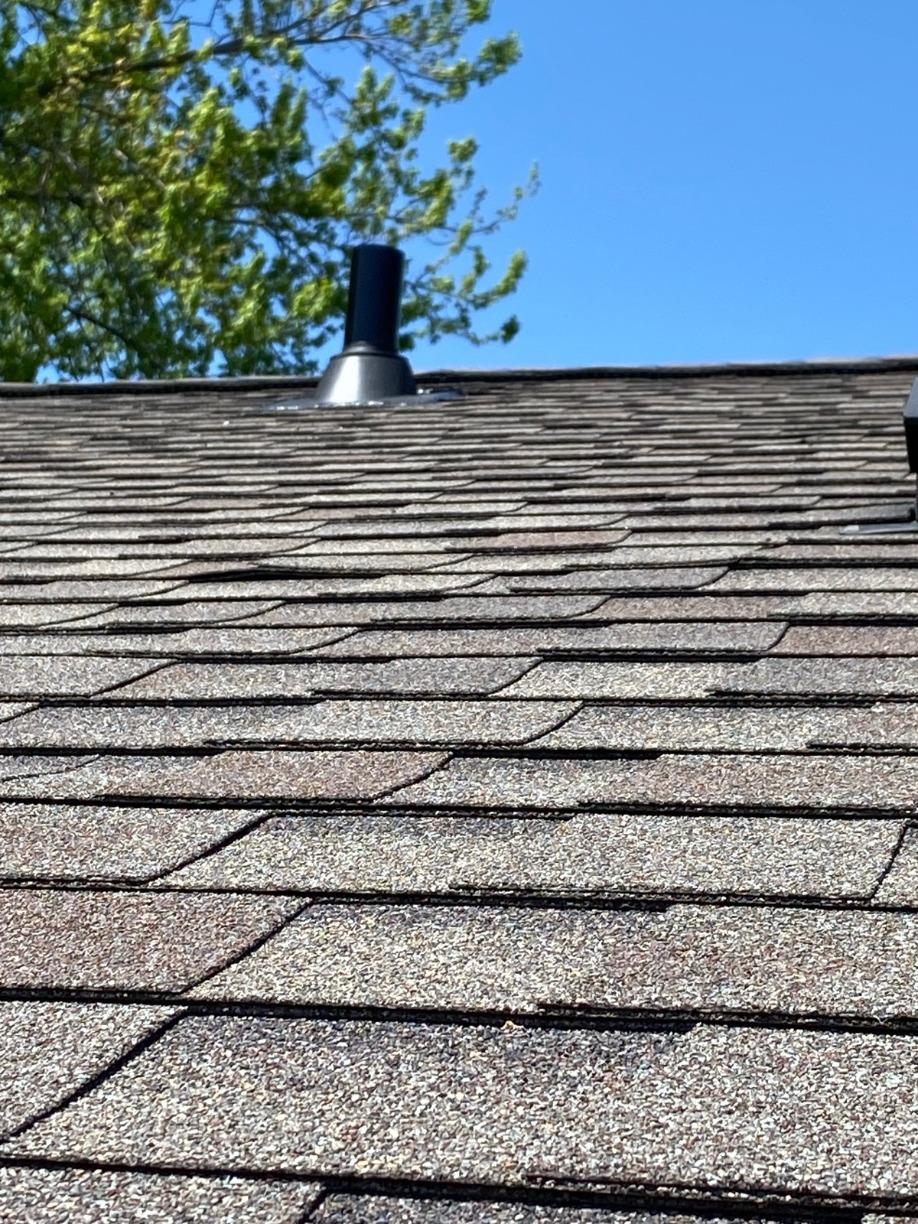
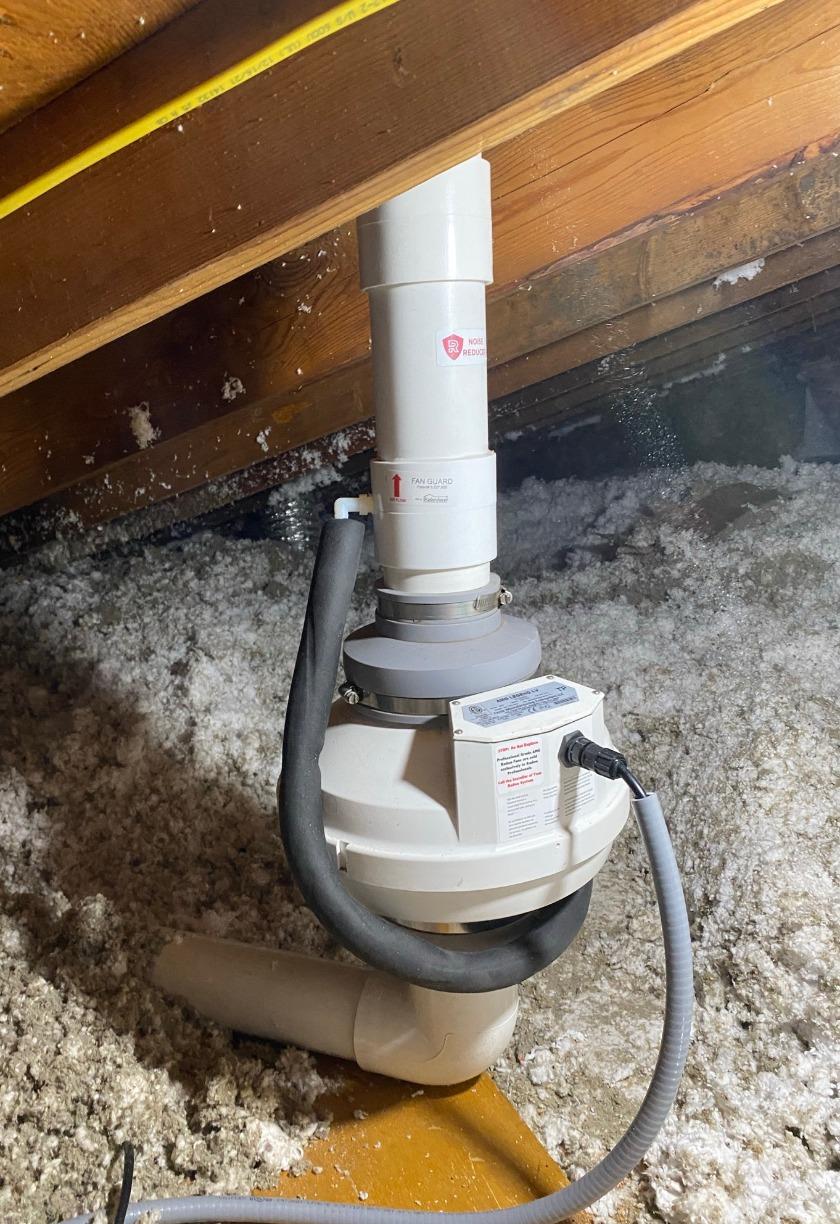
Cole did a great job getting this interior design installed for our customers
Radon Mitigation - Spencer, IA
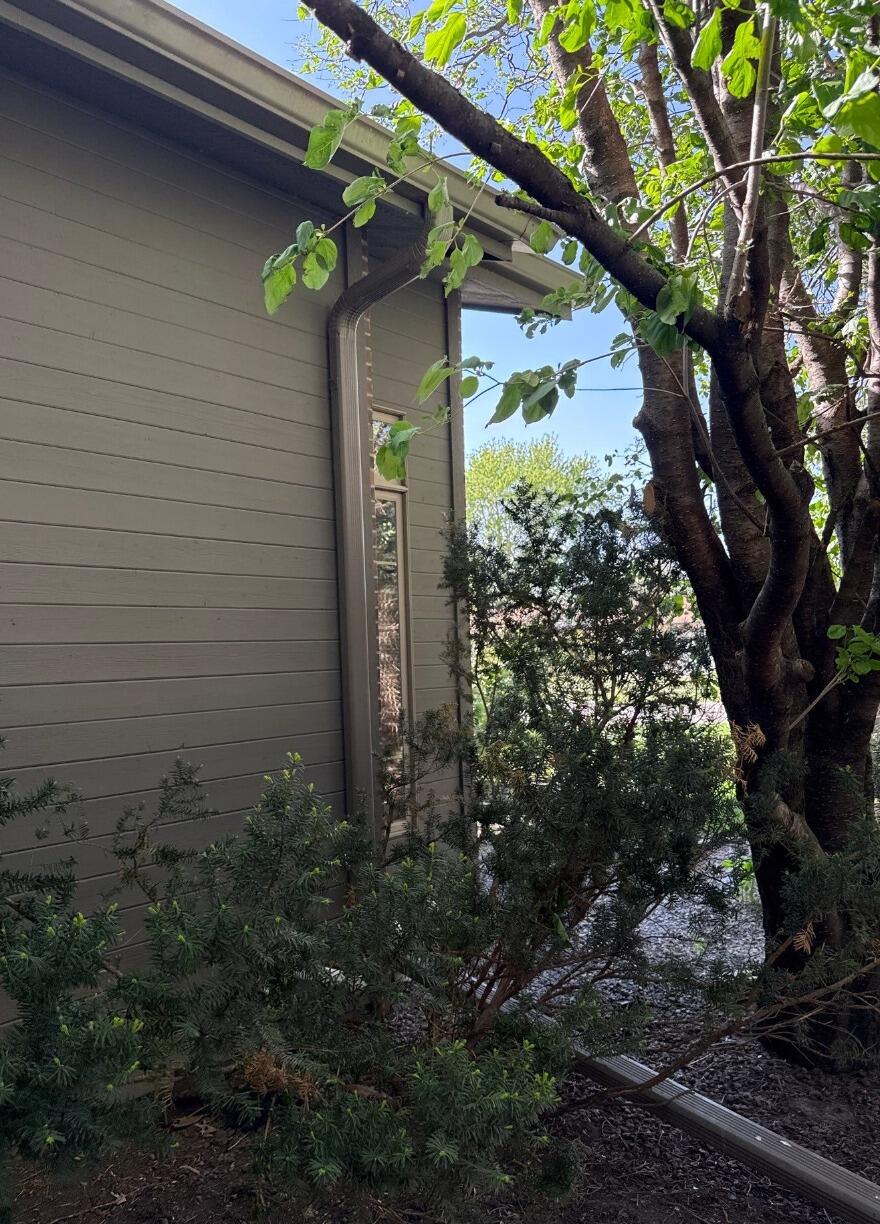
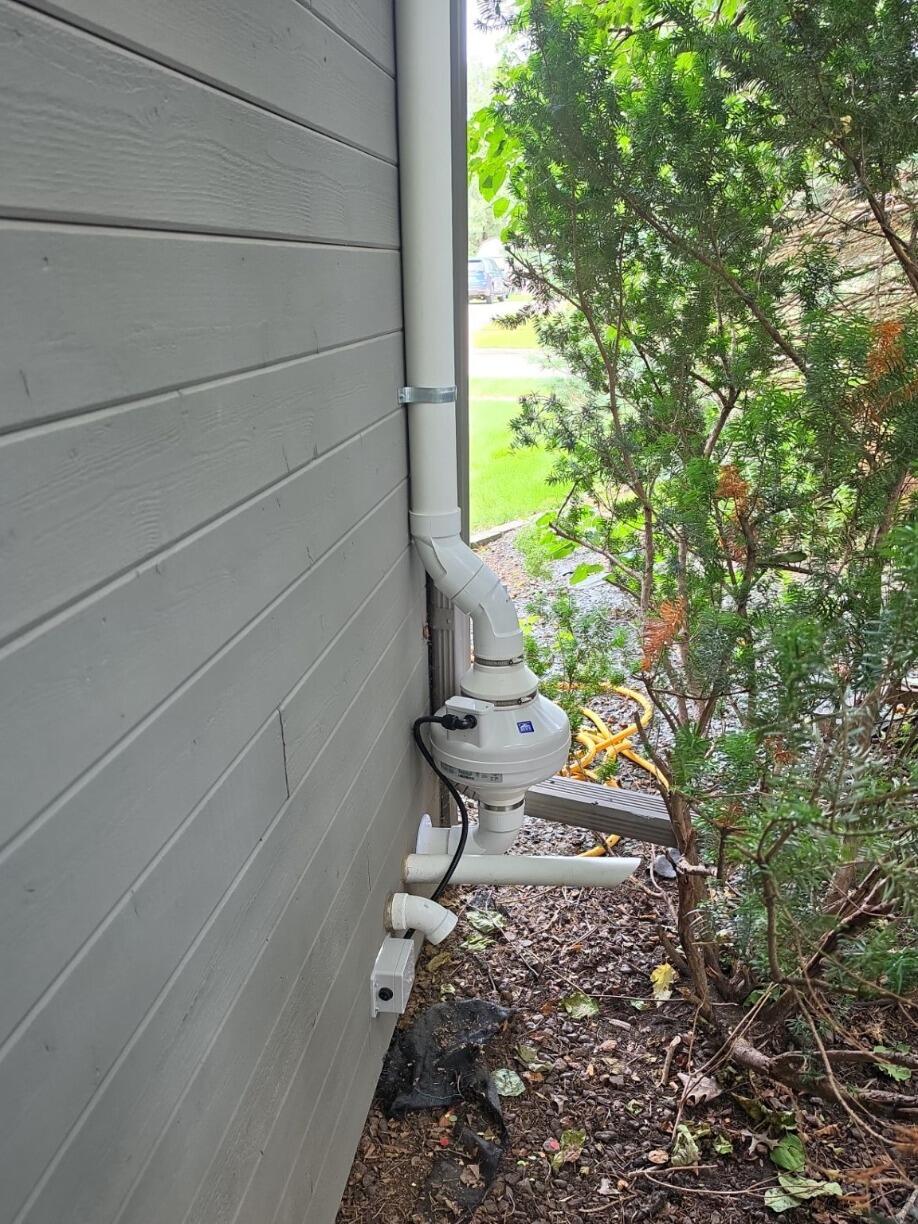
Lung Cancer Survivor Called for Professional Mitigation
After never having tested for radon, a Iowa couple discovered concerning radon levels in the mid-teens using an electronic detector. With the homeowner having survived lung cancer twice, reducing potential radon exposure became an important priority for the household. A short-term charcoal test was also placed to confirm the radon levels before finalizing the scope of the project. Based on the testing results, a single-point radon mitigation system is planned for the front corner of the home, with the system exiting through the side.
Radon Mitigation - Milford, IA
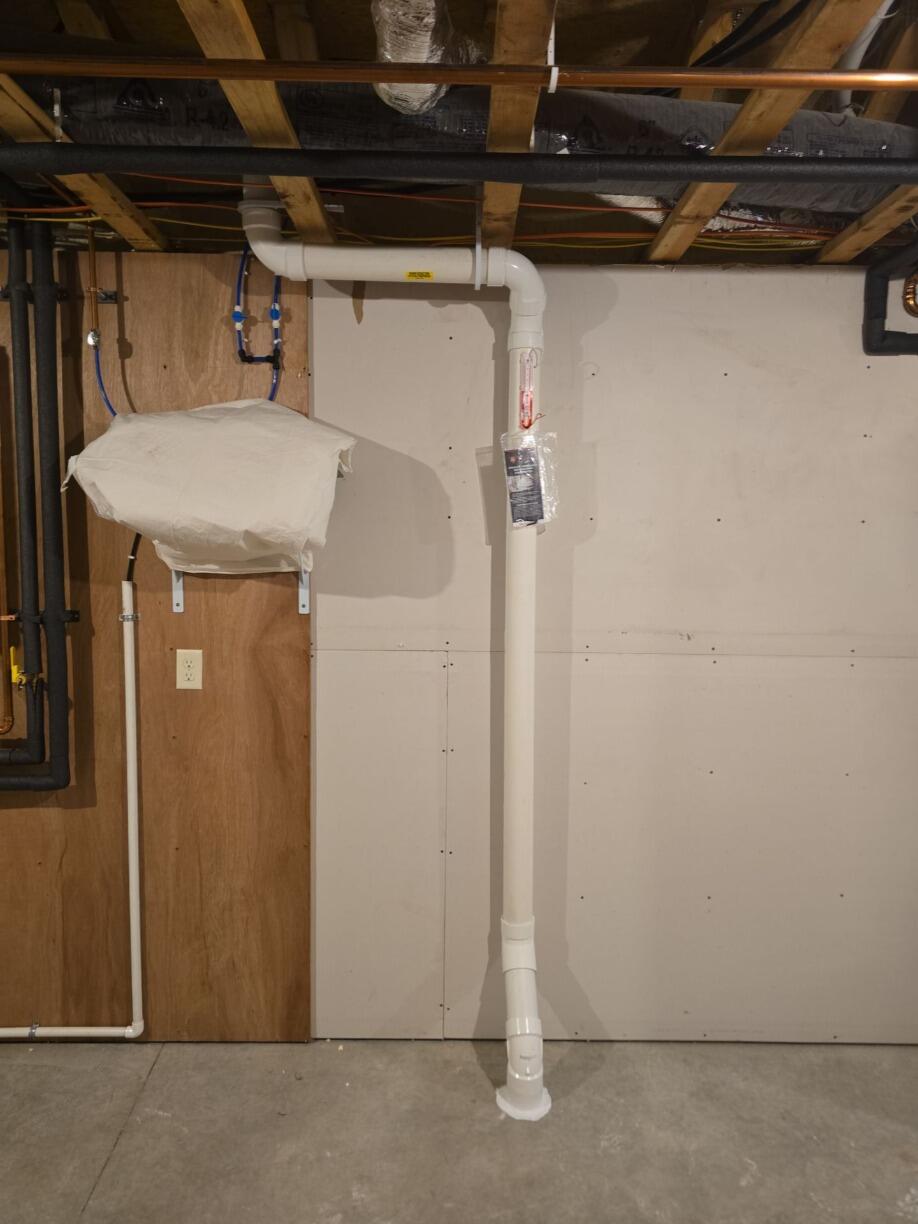
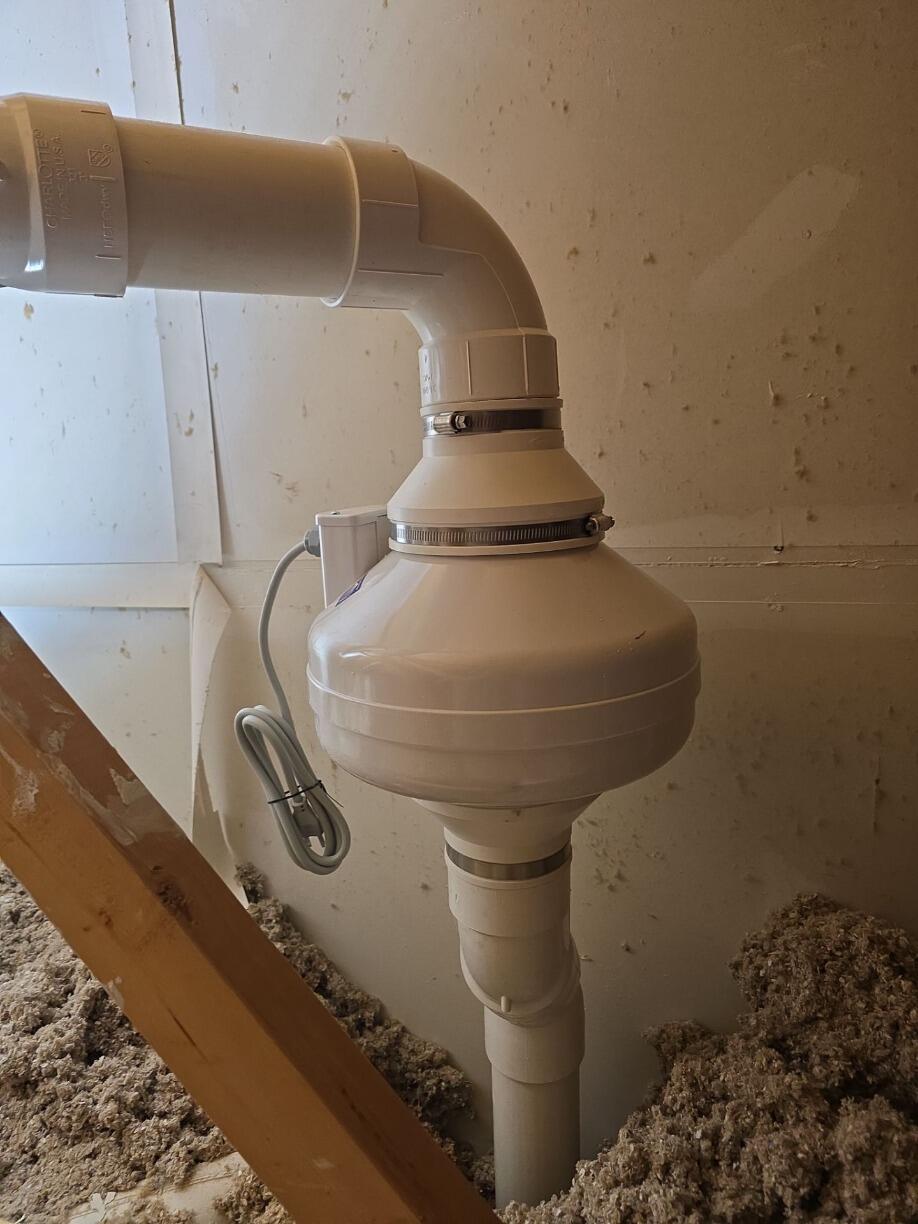
Radon Mitigation System for Finished Ranch Home With Levels of 6
After radon testing showed levels of 6 pCi/L, the homeowners decided it was time to install a professional radon mitigation system to protect their newer ranch walkout home. The basement is mostly finished, making careful system design important for both performance and appearance. The plan includes a sub-slab extraction point near the plumbing stack with routing through the poured foundation into the garage. From there, the system will run into the attic where the radon fan will be installed before penetrating the roof on the backside of the home to avoid the solar panels. Minor sealing around the sump pit gaskets will also help improve radon reduction and indoor air quality.
Radon Mitigation - Rockwell CIty, IA
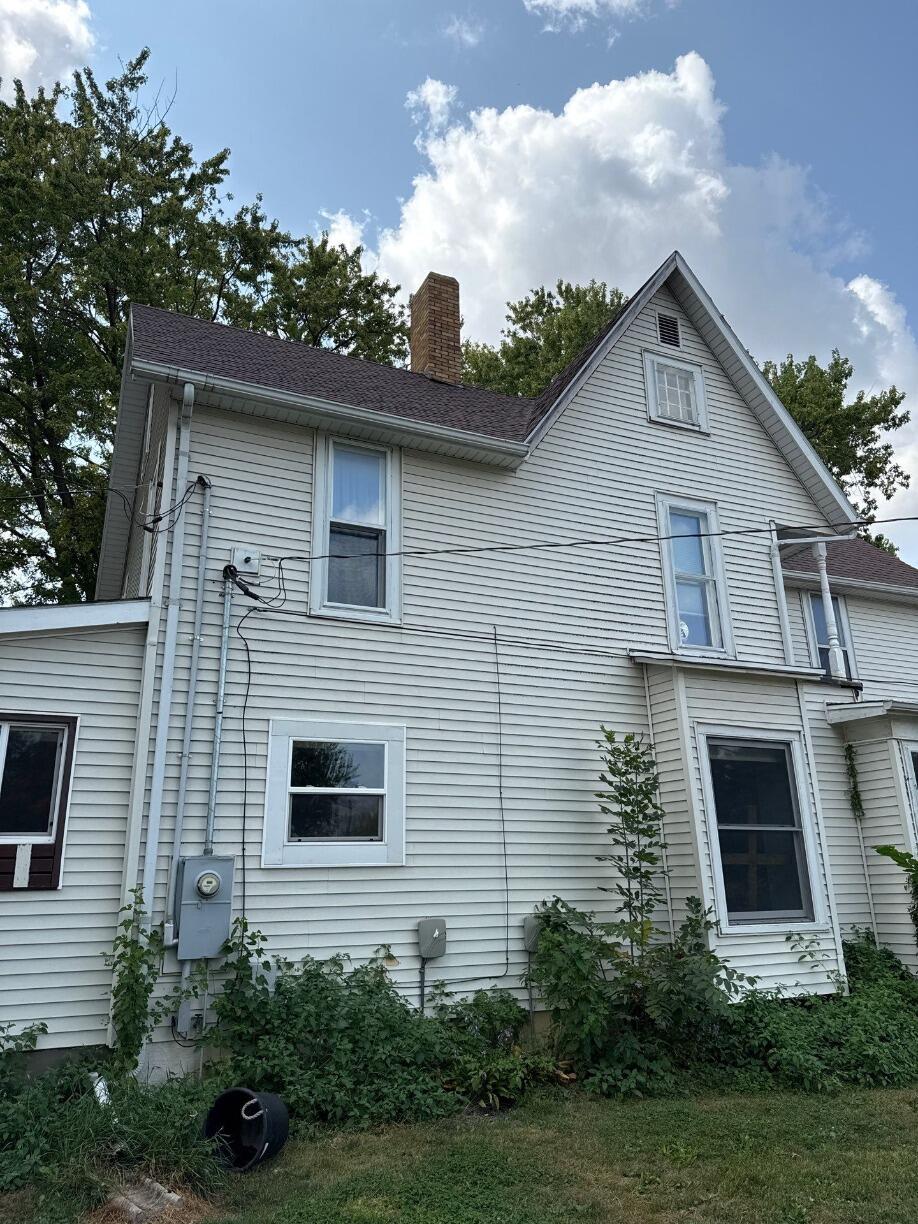
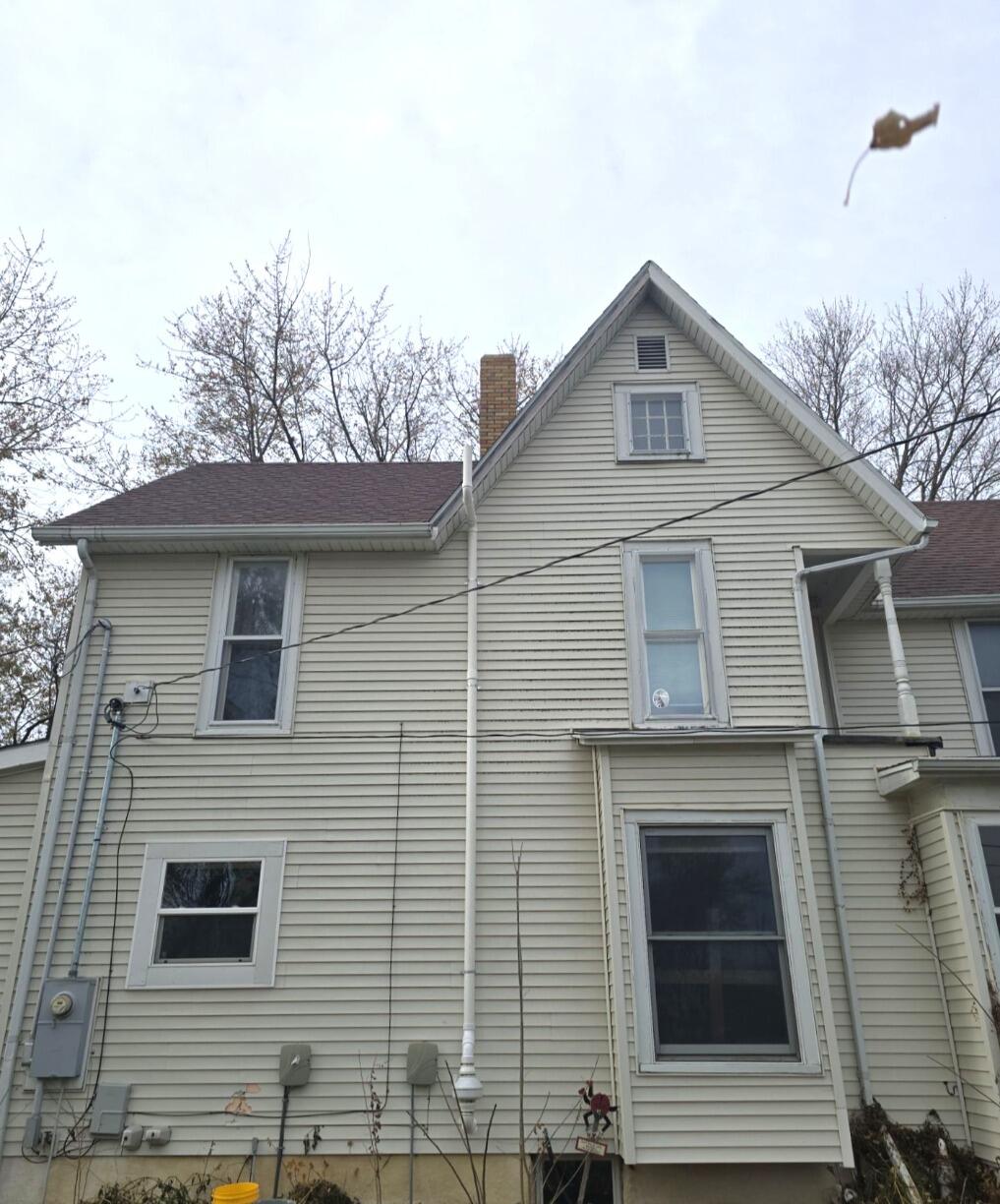
Simple Radon Fix for a Basement: One-Point Radon Mitigation
Justin and his wife had owned their home for about a year when radon became impossible to ignore. Their basement was half dirt, half concrete, and even after encapsulating the dirt side, the levels stayed high. With indoor air quality already a concern from a past home, they decided it was time to fix the problem, not chase it. A one-point radon mitigation system will be installed beneath the vapor barrier near the sump, then routed up and out the east exterior wall. A little extra taping may be needed where the barrier meets concrete, but the layout is simple, effective, and built to bring levels down. Sometimes one smart step changes everything. Here, it’s clean air, lower radon, and peace of mind finally settling in.


