
Before & After Photos
Click on a photo to enlarge.
Sump Pump installed in a Tecumseh, ON Crawl Space


Problem: This multi-level home had one area which was a dirt floor crawl space. As with any lower level, this means water can penetrate up from the ground and cause water damage and excessive moisture.
Solution: Our team installed a Super Sump: a sump pump designed for crawl spaces to remove the water in the ground. Our team also installed a CleanSpace vapour barrier, encapsulating the area; to keep the moisture and humidity levels down in the crawl space.
What a transformation!
Inspector: Joel
Foreman: Paul
A Superior Sump Pump installed in Essex County, ON
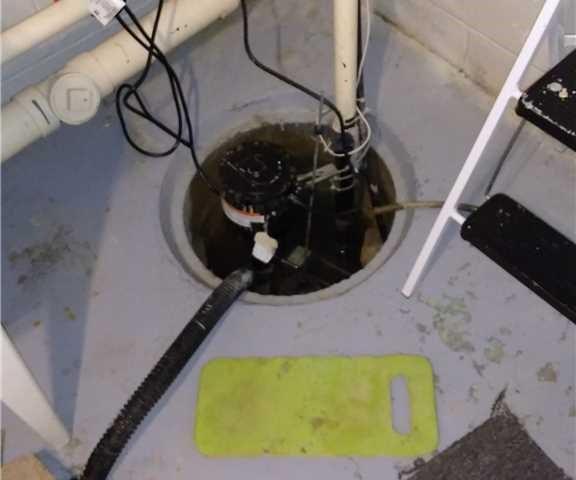

Problem: These homeowners needed a sump pump upgrade! Their old pump:
- Could not keep up during times of heavy rainfall.
- Did not have a battery backup in case of a power outage.
- Had an open pit: which allows dirt and debris to enter and potentially clog the pump.
Solution: Our superior TripleSafe Sump Pump System is the perfect fit and fix for this home!
This system includes the following features and benefits:
- Zoeller® ⅓ hp Primary Pump - Reliable and powerful!
- Zoeller® ⅓ hp Secondary Pump - If the primary sump pump fails or is overwhelmed by extremely heavy waters, the secondary pump will turn on.
- In the case of a tripped circuit, power outage, or sump failure, this system also includes an UltraSump® Battery Backup System.
- WaterWatch Alarm: Sounds off to let you know if water has risen past the point where the pumps should have turned on.
- Airtight Sump Lid: An airtight lid keeps odors and humidity out, while protecting your sump from debris from the basement floor. Rubber grommets around all pipes and wires help maintain the airtight lid and also help to keep all PVC pipes steady and quiet.
- CleanPump Stands: These sump pump stands are installed to raise the pumps off of the bottom of the liner. Any silt or sediment that settles on the bottom of your sump pit will be kept away from your pump. These stands also allow for height adjustment of the pump if necessary.
Inspector: Joel
Foreman: Paul
Cold Cellar Mould Removal - Windsor, ON
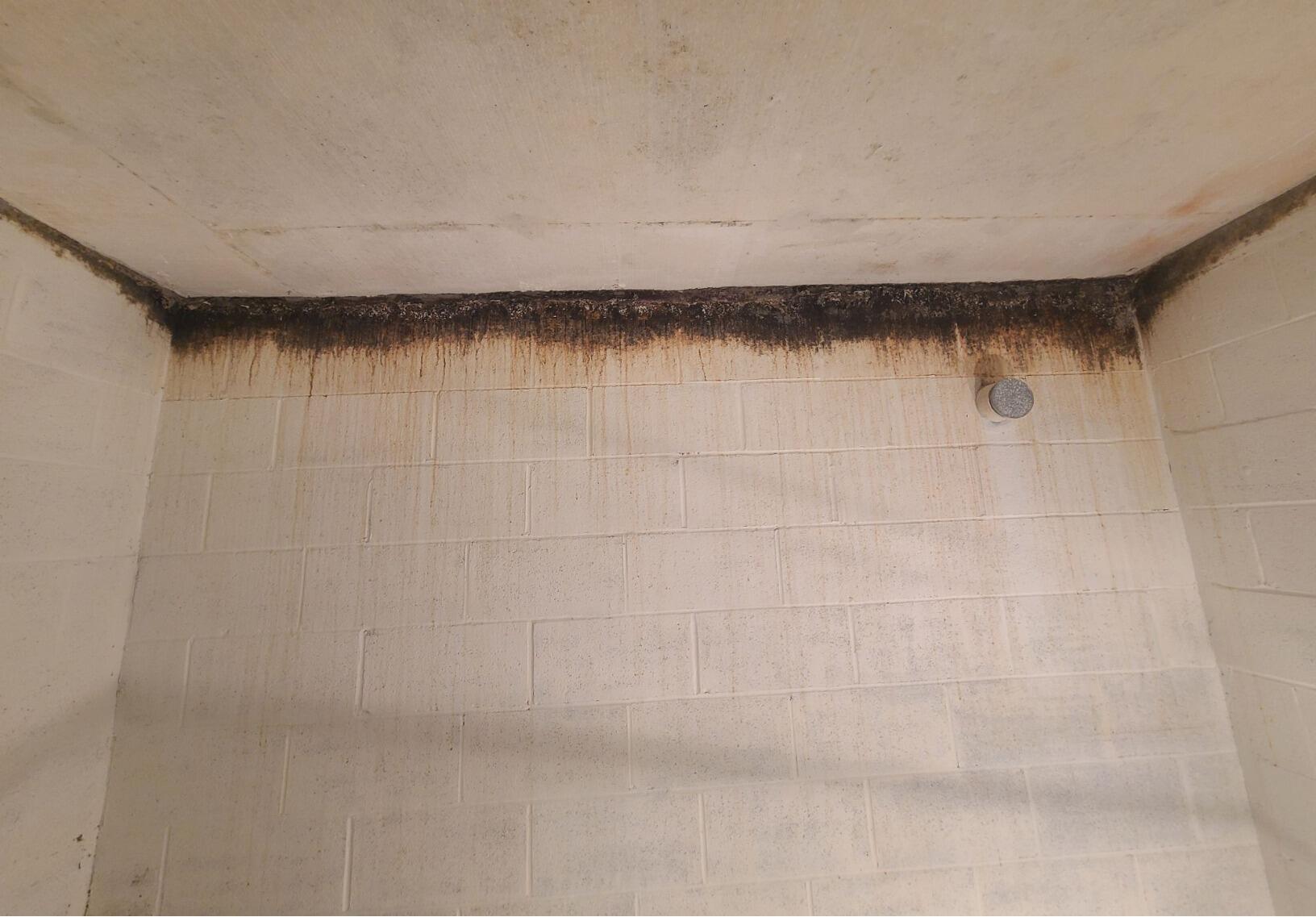
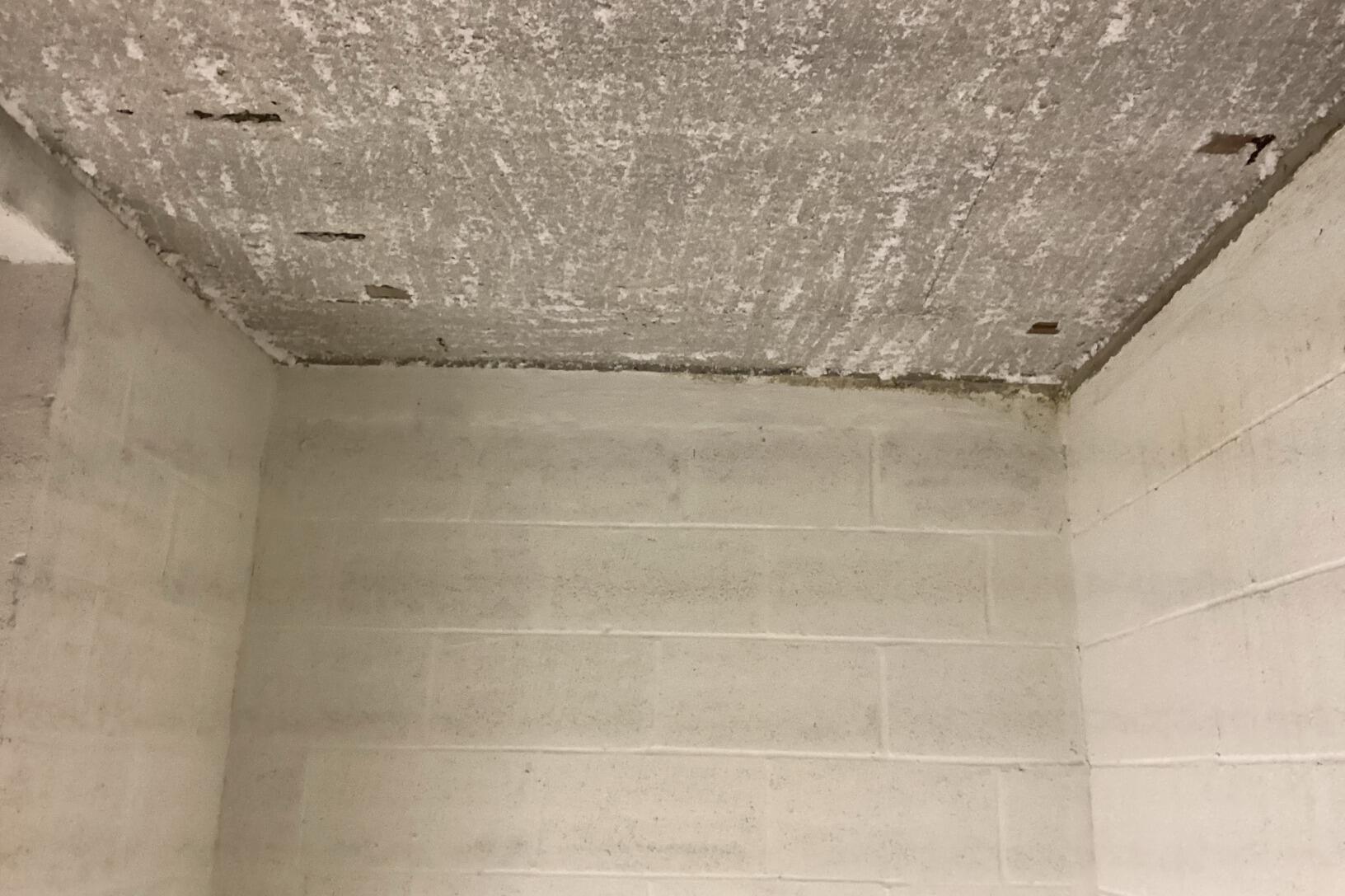
Mold-X2 Cleaner and Botanical Fungicide work together as a powerful system to clean and protect against mould. The cleaner removes visible mold and stains from surfaces, making them look fresh again. After cleaning, we recommend applying the Mold-X2 Botanical Fungicide to help prevent mold from coming back.
Mold-X2 Cleaner is a fast-acting antimicrobial solution designed to eliminate mold and organic staining on contact. Mold-X2 Botanical Fungicide contains EPA-registered, plant-based ingredients that inhibit future mold growth on treated surfaces. Together, they offer a complete mold remediation and prevention system.
Water Damage in a Finished Basement in Tecumseh, ON

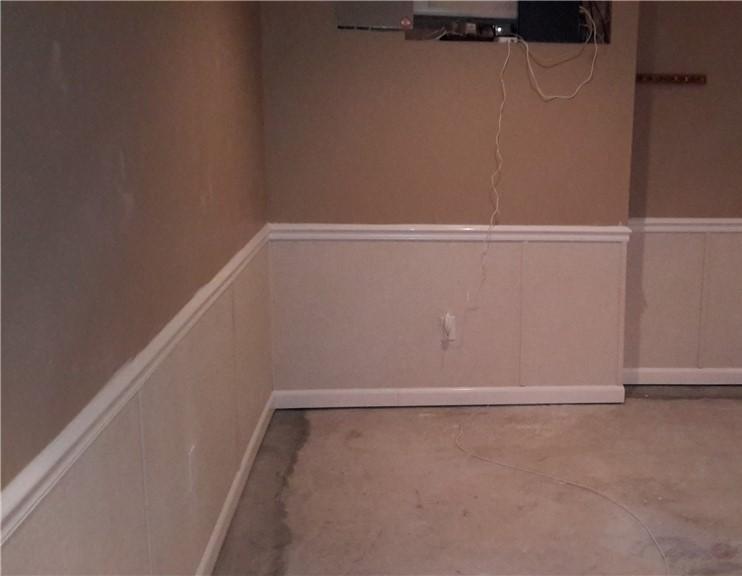
Problem: One of the biggest hassles a home owner can experience is water leaking into and damaging a finished basement. That’s exactly what happened to these homeowners in Tecumseh.
Solution: Our team makes the process of creating a permanently dry basement (with regular maintenance, of course!) an easy, affordable and hassle-free experience.
We:
- Waterproofed the leaky walls
- Installed a perimeter floor drain to direct any penetrating water into the sump pump
- Installed the EverLast® Wall Panels which serves as both a vapour barrier and a way to redirect water leaking into the new drainage system… and looks fantastic!
These happy homeowners can now once again enjoy their basement living space. Learn more about our basement waterproofing system by clicking here.
Inspector: Joel
Foreman: Justin
Moldy Drywall and Basement Carpeting Tecumseh, ON


Problem: Moldy and rotten carpet, drywall and trim.
Solution: WaterGuard footing drain, vapor barrier and Everlast Wall Restoration.
Inspector: Tom
Foreman: Justin


