
Before & After Photos
Click on a photo to enlarge.
One-Point Radon Mitigation System Planned for Northfield Home
Before
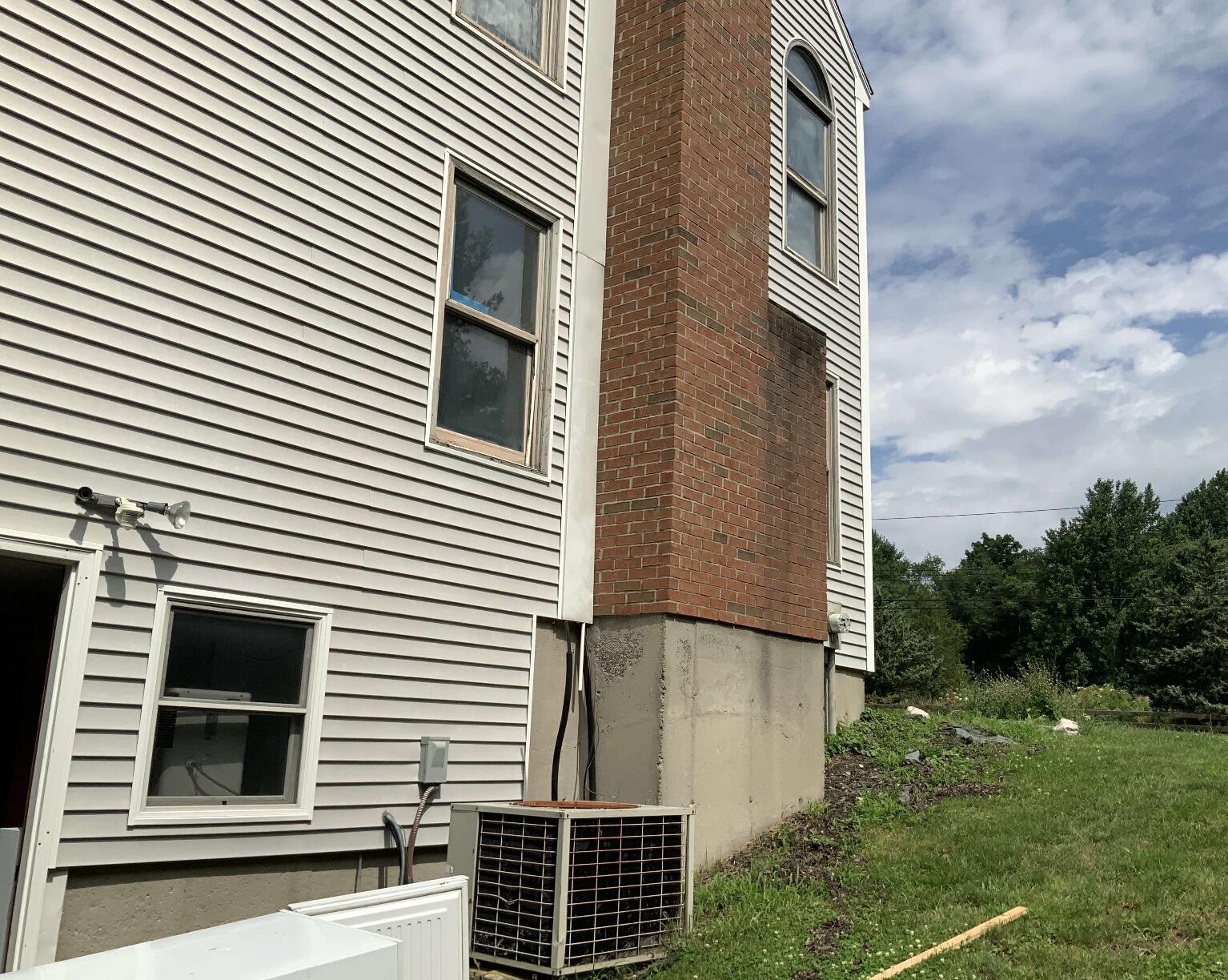
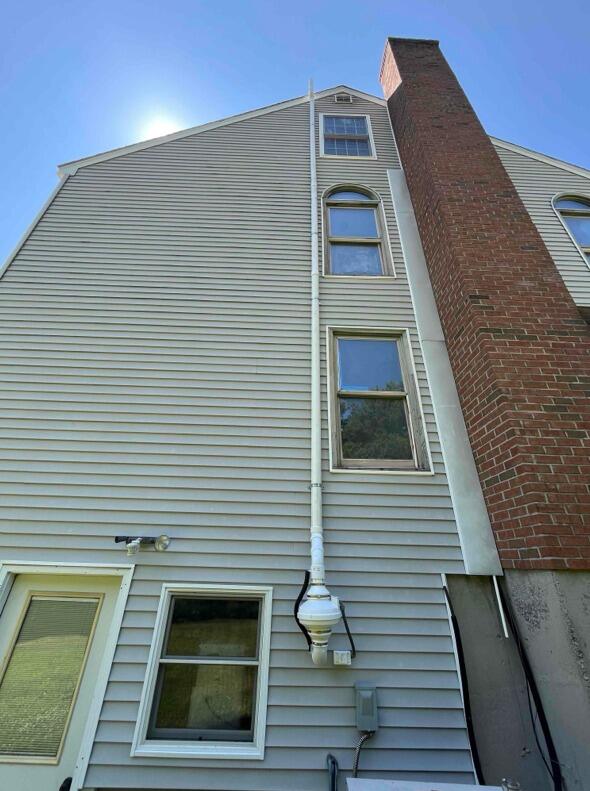
The home tested at 6.1 pCi/L and did not have an active radon mitigation system.
After (Planned Work)
A one-point radon mitigation system will be installed with the interior piping routed through the furnace room and the exterior vent positioned near the front of the chimney.
One-Point Radon Mitigation System Planned for Thomaston
Before
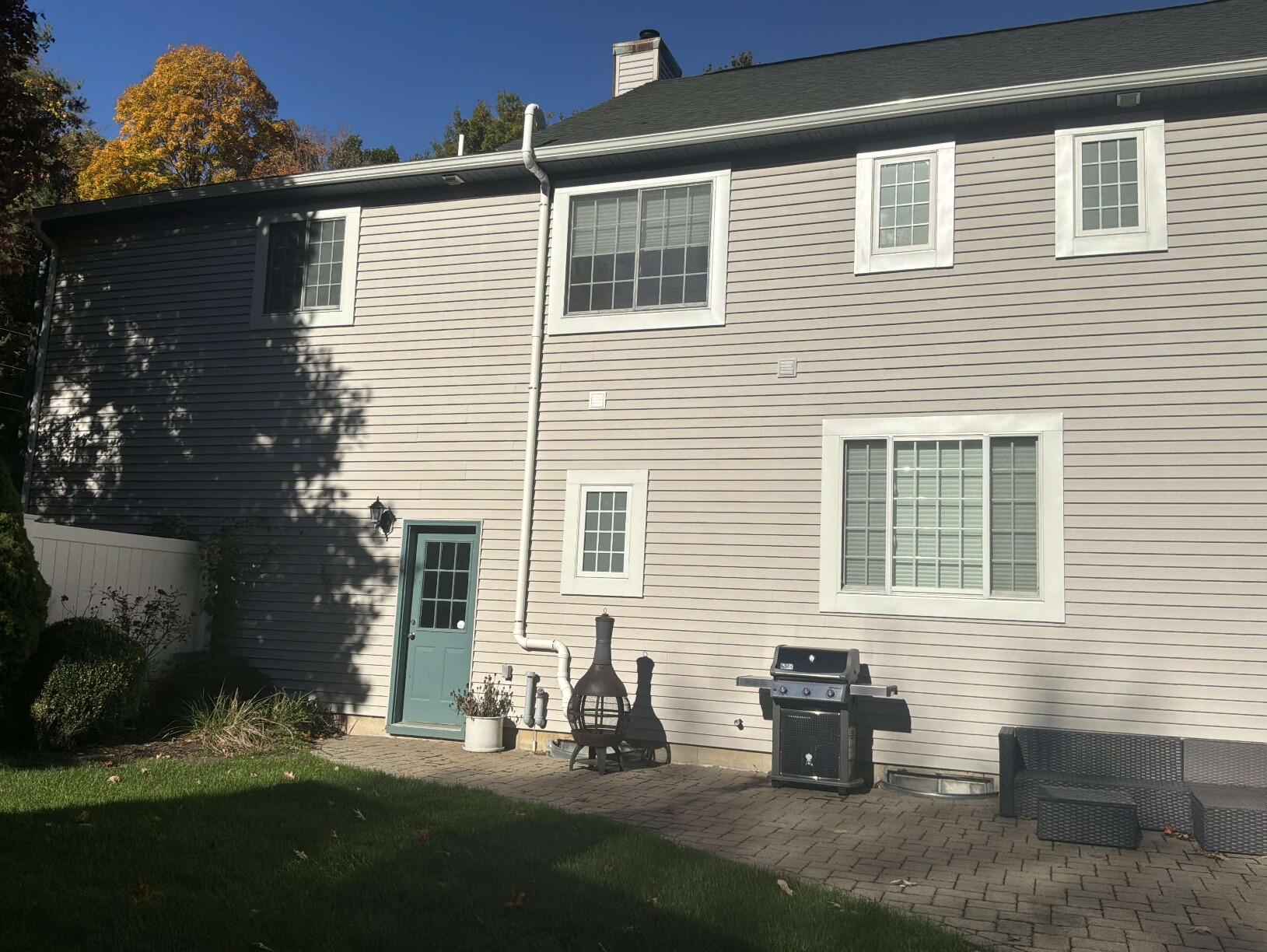
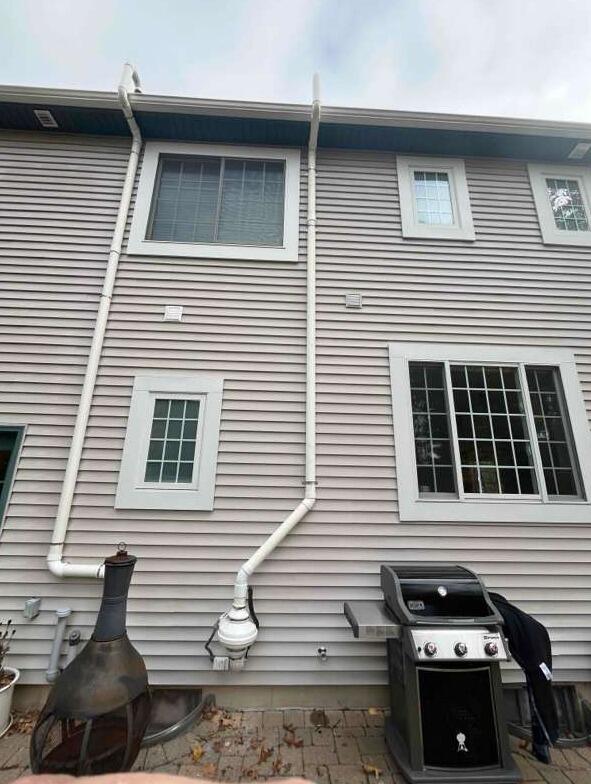
The initial radon test measured 4.4 pCi/L, just above the EPA’s recommended action level. The home does not yet have an active mitigation system, so a one-point extraction system was selected to help reduce radon entry from beneath the foundation.
After
We plan to install a one-point extraction system with a Festa Hawk fan and an extraction point in the utility room. The piping will be routed through the right side of the home and vertically between the exterior windows before continuing toward the roofline. The system will use the soil beneath the foundation to create suction and direct radon gas safely outdoors. Follow-up testing after installation will help confirm the system’s effectiveness.
Two-Pipe Radon Mitigation System Installed in Fieldstone Basement in Middlebury
Before
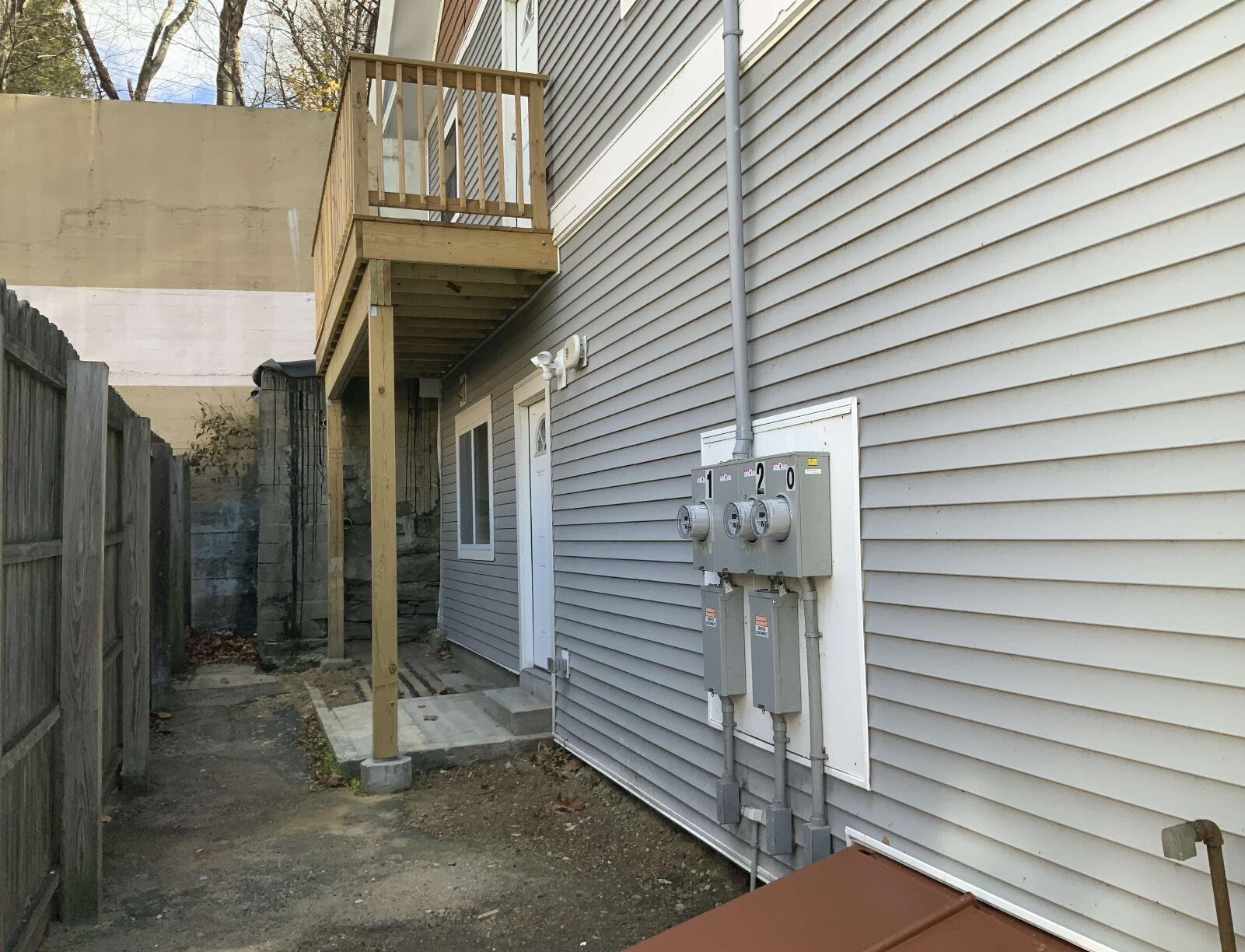
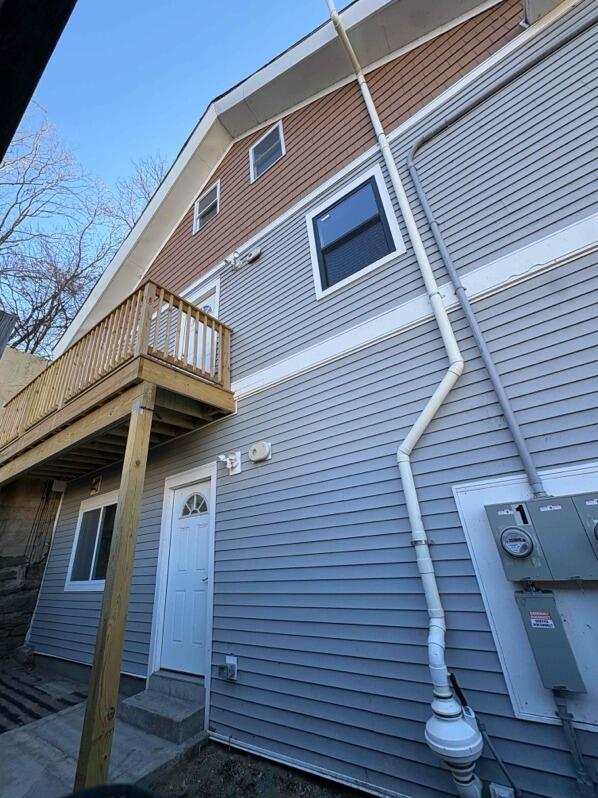
The home had a fieldstone foundation with slab damage and no mitigation system in place. The layout limited exterior routing options to one side of the house.
After
A two-pipe radon mitigation system was installed, with both pipes routed out the left side of the home. The sump area was identified for sealing and slab repair to support system performance.
Two-Point Radon Mitigation System Planned for Thomaston Home
Before
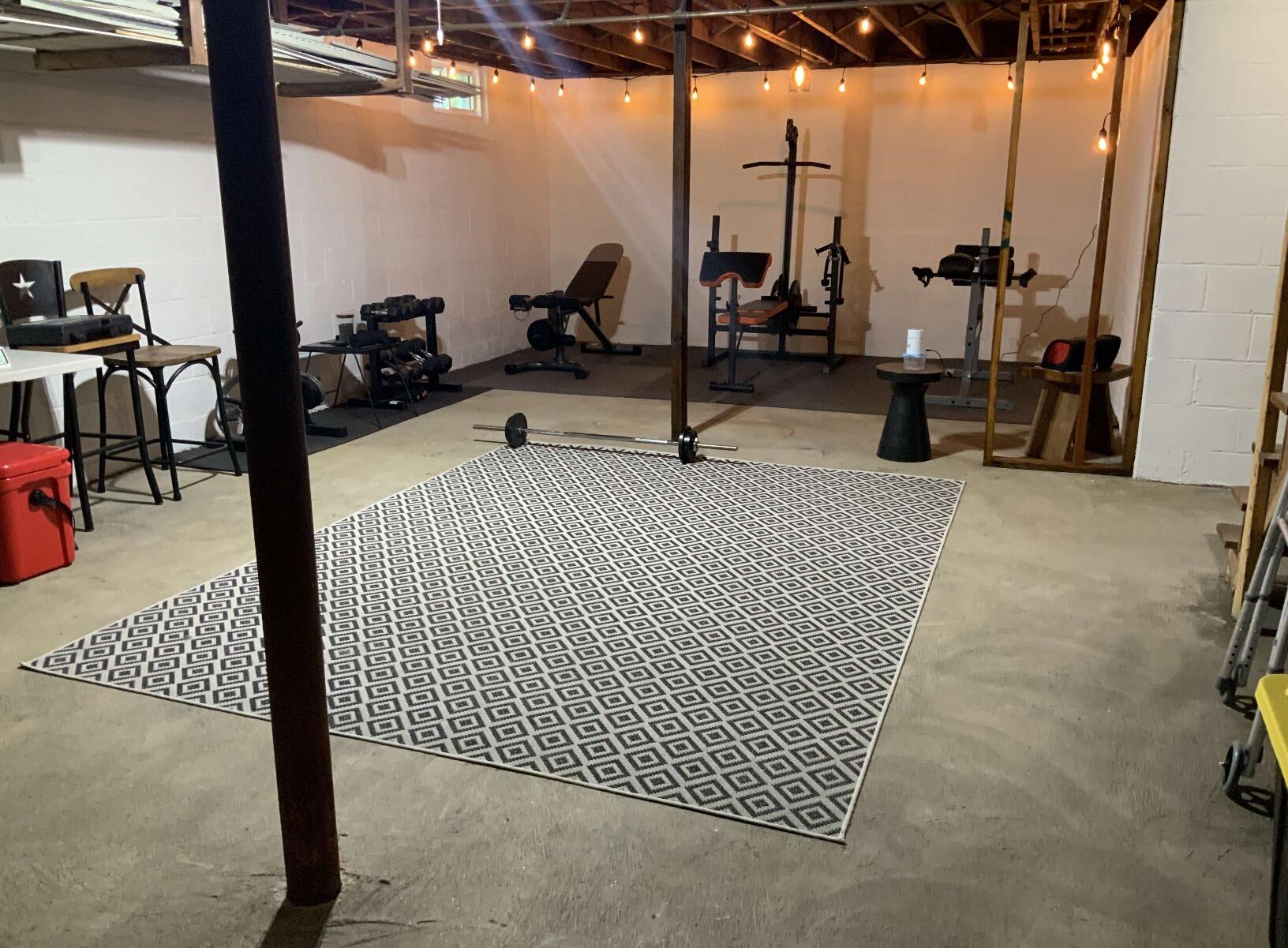
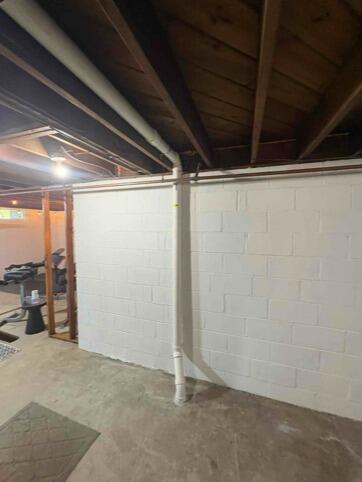
The home has been monitoring radon levels above 5 pCi/L, and the homeowner wants to reduce the level below 2 pCi/L.
After (Planned Work)
A two-point radon mitigation system will be installed with the main vent exiting through the back of the home and a second extraction point serving the gym area.
Three-Point Radon Mitigation System Replacement in Oakville
Before
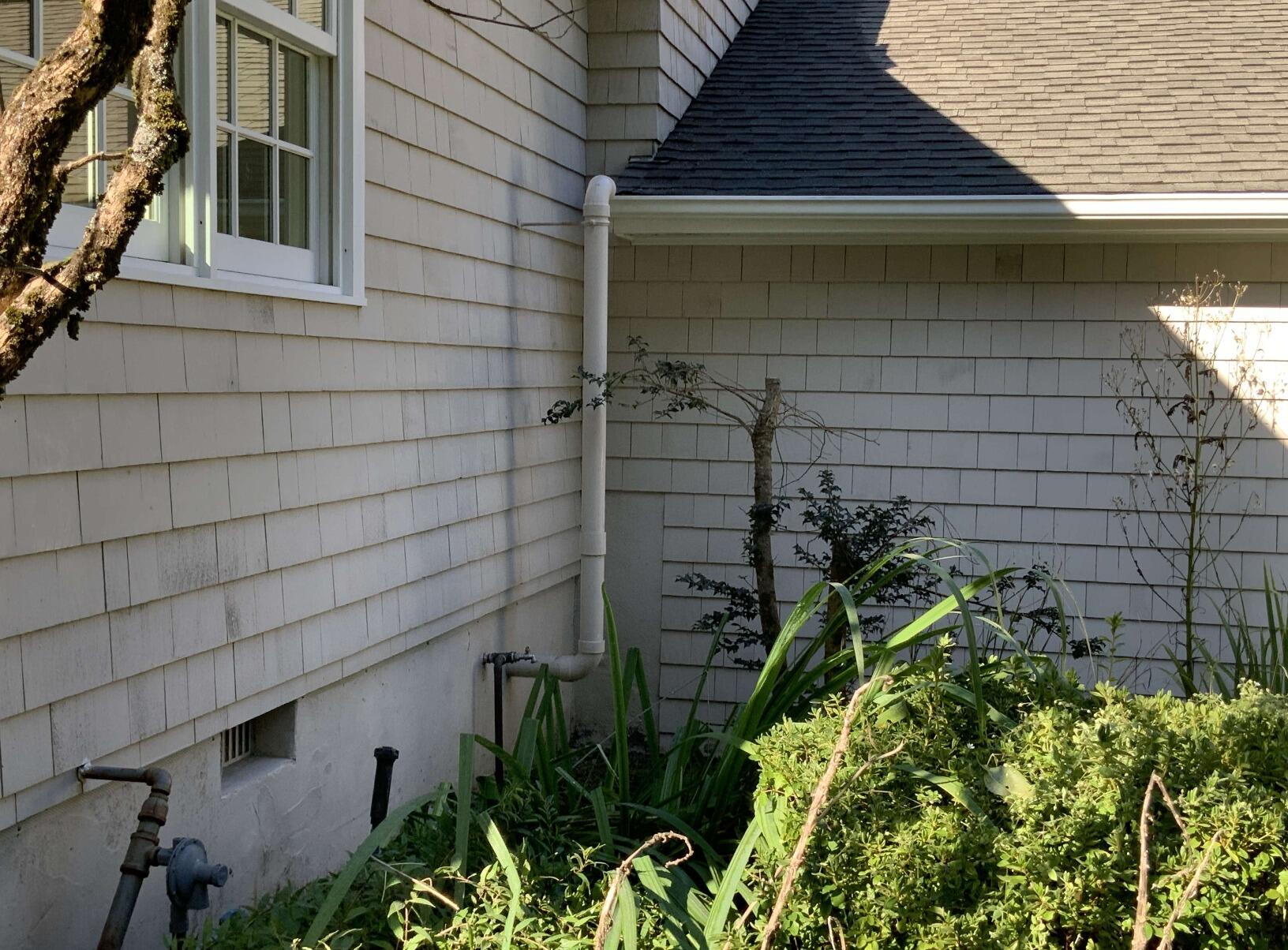
The home had an older three-point radon mitigation system with a fan located in the basement. The fan caused significant vibration and noise throughout the house, making it uncomfortable for the homeowner to run the system. The existing piping and fan were due for replacement.
After
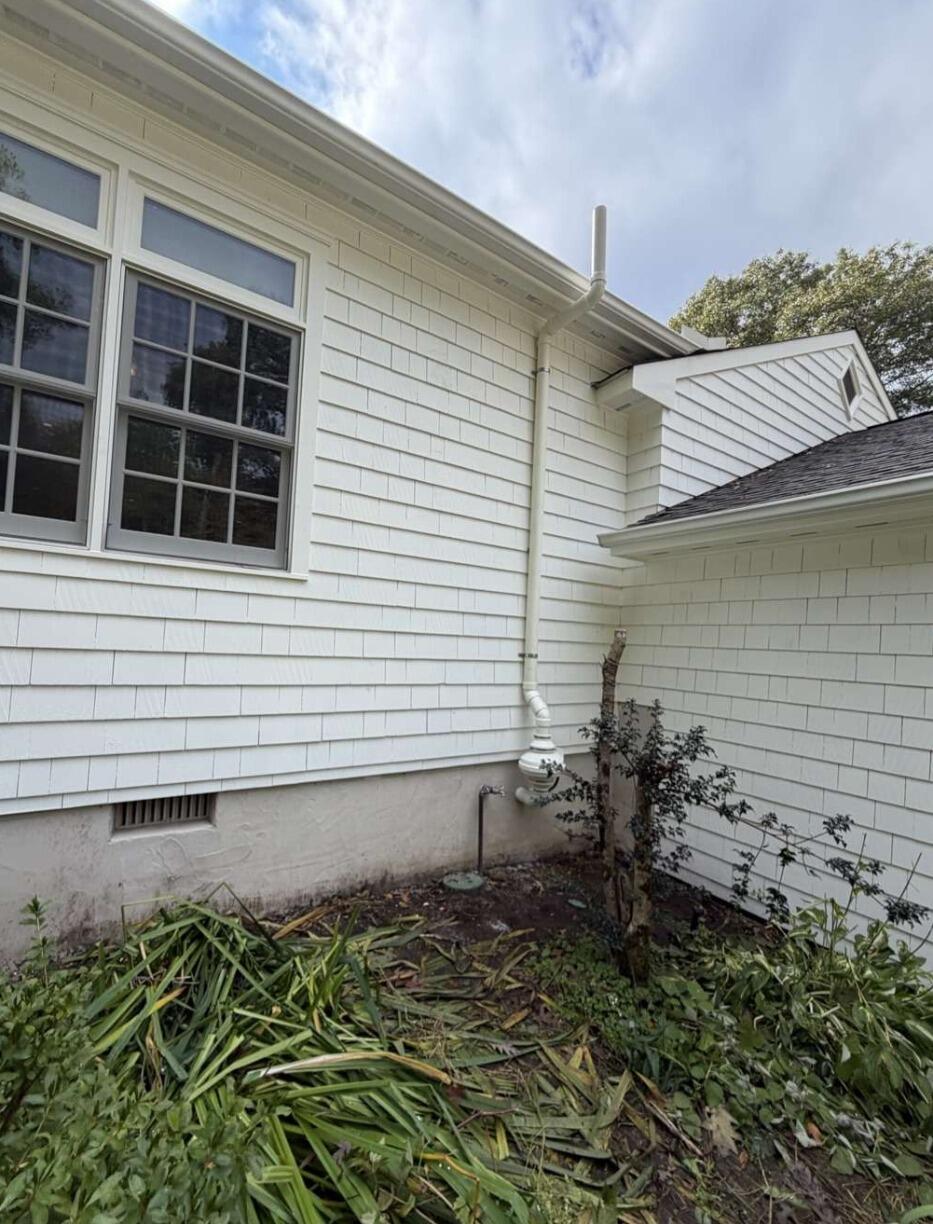
We removed the old system piping and basement fan and installed new Schedule 40 PVC piping for all three extraction points. A new Festa Hawk fan was installed outside the home, along with replacement exterior piping. Relocating the fan outdoors helps address the noise and vibration that had been affecting the home. Follow-up radon testing is recommended to confirm the upgraded system’s performance.


